

























































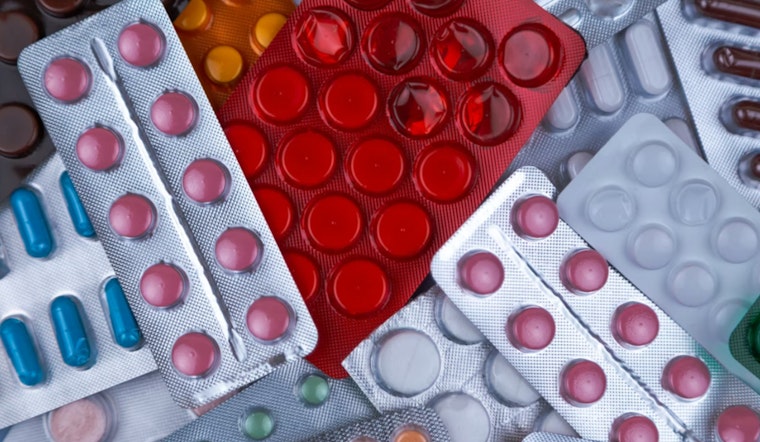
A sweeping Spotlight on America investigation airing March 13 pulls back the curtain on how medicines taken by millions of Americans trace back to overseas factories where federal inspectors have reported blocked warehouses, filthy conditions and what investigators say may be falsified test data. The reporting connects contaminated products and chronic shortages to a global manufacturing chain that can leave patients without effective or even safe medicines. Crews followed that trail all the way to the gates of major manufacturers in India and spoke with patients who say their treatment schedules were suddenly upended. The series treats it as a national problem: when oversight fails far from home, local hospitals and families still pay the price.
According to Fox San Antonio, the Spotlight on America team uncovered contaminated drugs, manufacturing violations and life-threatening shortages tied to plants that export to the United States. The report, by journalists Lisa Fletcher, Andrea Nejman and Alex Brauer, features patients, inspectors and whistleblowers who describe trusted generics quietly failing in ways that often are not obvious until someone is already hurt.
Investigators Found 'Shadow' Facilities And Blocked Inspections
Spotlight reporting details so-called "shadow" operations, unregistered labs and warehouses that can obscure the real conditions where drugs are produced and stored. As documented by KOMO, inspectors say workers once kept FDA investigators locked out of an unregistered warehouse for hours, and those investigators later reported finding animal droppings near active pharmaceutical ingredients.
How Exposed Is The U.S. Drug Pipeline?
Federal oversight is under strain. A recent review by the Government Accountability Office found that after the pandemic, FDA leaned heavily on remote records checks and other alternative tools in place of on-site visits, even as India and China continued to host a large share of foreign establishments that supply the U.S. market. According to GAO, those off-site reviews can help the agency sort out which facilities might pose the highest risk, but they can also miss problems that would be obvious if inspectors were physically present.
Data Fraud And 'Tainted' Medicines
Investigative reporting and experts say questionable test data can let unsafe products hide in plain sight. As STAT reported, FDA has flagged a testing facility in India that submitted anomalous data tied to more than 400 drugs, a discovery that has prompted calls for firms to retest affected products and for the agency to weigh stronger enforcement actions.
Patients Have Already Been Hurt
Public-health investigations have already traced the human cost. The Centers for Disease Control and Prevention documented a multistate outbreak of drug-resistant infections linked to contaminated artificial tears that left some patients blind and led to deaths and enucleations. According to the CDC, that eyedrop crisis, along with separate cough-syrup tragedies tied to contaminated ingredients abroad, shows how manufacturing lapses can quickly turn into catastrophic outcomes for patients.
Lawmakers And Regulators Press For Answers
The Spotlight series reports that lawmakers and whistleblowers are now demanding accountability, while regulators in some cases have issued warning letters and import alerts. Fox San Antonio notes that FDA officials are facing pressure from Congress and consumer advocates to strengthen foreign inspections, pull back the curtain on where and how drugs are tested, and consider tighter controls on products tied to suspect facilities.
Experts and watchdogs interviewed for the series are pushing fixes that include more robust foreign inspections, tougher oversight of laboratories, clearer supply-chain labeling and stiffer penalties for falsified data. As GAO concluded, restoring public trust will require additional resources and better tools so regulators can spot risks before tainted products make it to American patients.





