

























































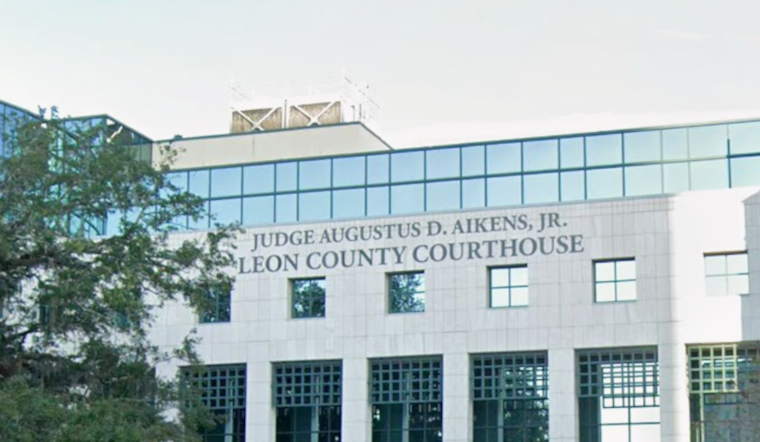
Florida's high-stakes battle over local control of development hit a major plot twist Tuesday, when a Leon County judge slashed most of a central lawsuit targeting SB 180, the controversial 2025 law that has frozen many local planning moves across the state.
Leon County Circuit Judge Angela Dempsey issued a written order that tossed the bulk of the main complaint and left only a small cluster of constitutional and statutory claims alive. The ruling shrinks the lawsuit but does not give local officials the clarity they were hoping for on what they can and cannot do with land-use rules.
Dempsey dismissed four of the five counts in the primary complaint, yet allowed two claims by Orange County resident Rachel Hildebrand to move forward: that SB 180 is arbitrary and capricious and that it is unconstitutionally vague. She also left in place a separate count alleging the law imposes an unfunded mandate. State attorneys and the Florida Homebuilders Association now have until April 14 to file their answers and defenses, according to the Orlando Sentinel.
Dempsey also found that Hildebrand has standing to sue because her property sits across the street from land that could be redeveloped more intensively under SB 180. That proximity was enough, in the judge's view, to let her keep pressing her remaining claims.
What the court left standing
The surviving claims go straight to the heart of how much power cities and counties still have over land-use decisions under a hurricane-related law like SB 180. If courts ultimately decide the statute is vague or arbitrary, or that it functions as an unfunded mandate, the ruling could limit how broadly the law is applied or open the door to relief for local governments that say the state has offloaded costs onto them, as WUSF has reported.
For now, the trimmed-down case sets a tightly focused legal agenda. Lawyers on all sides are already eyeing the possibility of appeals, even as they prepare to litigate the few claims that survived the judge's cut.
Statewide fight over SB 180
SB 180 was pitched last year as a hurricane-recovery measure. Its late-added language, however, retroactively blocked a wide range of local planning actions and helped trigger lawsuits from more than two dozen cities and counties, along with developers and advocacy groups, according to WFTV.
The growth-management nonprofit 1000 Friends of Florida has been one of the lead challengers and argues that SB 180 effectively freezes many local resilience and climate protections, per 1000 Friends of Florida. Earlier stages of the fight, including the first wave of suits out of Central Florida, were tracked by Hoodline in coverage of how Orange County joined the legal barrage.
Legislature tried, then stalled
Lawmakers attempted a clean-up job in 2026 and then quietly ran out of runway. Sen. Nick DiCeglie's SB 840 was designed to scale back SB 180 by tightening its geographic reach and shortening its moratorium period. The proposal cleared the Senate in February but never made it through the House and ultimately stalled in committee, according to LegiScan.
With that legislative patch dead on arrival, the courts remain the main arena for deciding just how far SB 180's state-level preemption goes.
The next formal deadline is April 14, when answers and defenses are due on the remaining unfunded-mandate claim. After that, attorneys expect more motions and the possibility of an early appeal if the judge's future rulings leave key questions unresolved. In the meantime, local governments are left juggling legal strategy with on-the-ground planning decisions that remain on hold under the statute.





