

























































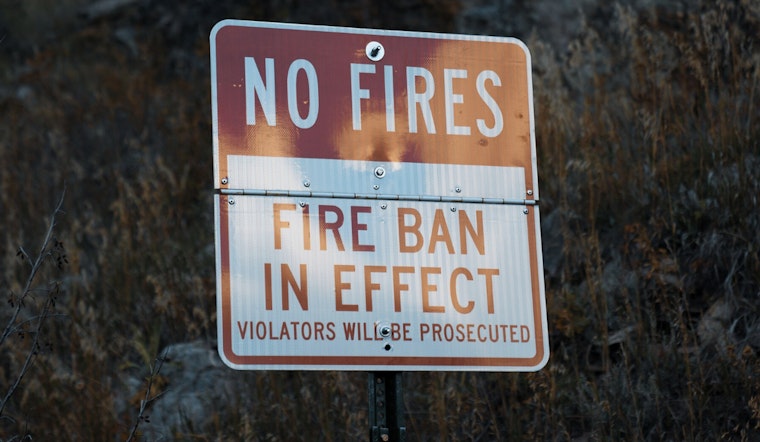
North Carolina hit pause on backyard burning and campfire culture when the N.C. Forest Service ordered a statewide ban on open burning that took effect at 8 a.m. on March 21, 2025. The move immediately canceled all burn permits across the state's 100 counties until further notice and shut down most open fires, including campfires and the burning of leaves, brush, and other plant material. Gas grills and portable stoves are still allowed in most spots, as long as local rules do not say otherwise. Officials cast the order as a way to cut down on human-caused wildfires during an unusually active spring fire stretch.
In a press release from the N.C. Department of Agriculture, the agency said the ban became necessary as wildfire activity increased and dry fuels piled up across the state. Agriculture Commissioner Steve Troxler warned that the restriction would stay put until conditions improve and confirmed that no new open-burning permits would be issued in the meantime. The release also pointed residents with county-specific questions to their county fire marshal or their N.C. Forest Service county ranger.
What the ban covers
State guidance and local reporting make it clear that "open burning" covers backyard debris piles, campfires, and essentially any outdoor burn of vegetative material. In this case, the order applies statewide and reaches beyond the usual 100-foot exception around homes, tightening the rules even for people who normally fall under that carve-out. As WRAL reported, campers and outdoor cooks are being told to lean on portable gas stoves or grills while the ban is in place. The statewide order does not wipe out local ordinances, so cities and counties are still free to enforce stricter rules where they already exist.
Penalties and enforcement
State officials have also emphasized that ignoring the burn ban is not just a bad idea, it is potentially expensive. People who violate the order can face fines and court costs and may be held liable for the cost of putting out any resulting fire, according to guidance from the N.C. Forest Service. Local fire marshals and law enforcement agencies are helping with enforcement, and forest rangers can step in if a fire that started within the usual 100-foot exception zone escapes its intended boundaries.
Why this matters now
The statewide order landed during a burst of elevated wildfire activity in March 2025, and it still serves as a useful playbook as the region heads into another spring fire season. The National Weather Service office in Wilmington has noted that leftover winter rainfall deficits and ongoing drought have kept wildland-fire potential higher than normal in parts of the Carolinas this spring. The U.S. Drought Monitor and regional outlooks show moderate to locally severe drought in some areas of North Carolina, a combination that raises the chances that similar restrictions could return if conditions take another turn for the worse.
How residents can stay safe and where to get updates
Residents who are unsure about the rules in a particular county are being urged to call their county fire marshal or county ranger for clarity before striking a match. The N.C. Forest Service maintains an interactive Wildfire Public Viewer with active incidents and mapping tools to help people see what is burning and where. For current advisories and incident information, check the N.C. Forest Service Wildfire Public Viewer or the agency's contact pages for county rangers. Anyone who spots an active wildfire should call 911 right away.
One year after the statewide ban, officials are repeating the same basic message: skip open burning when fuels are dry and follow local orders. It is the simplest way to keep a small, legal fire from turning into the next major emergency.





.jpg)