

























































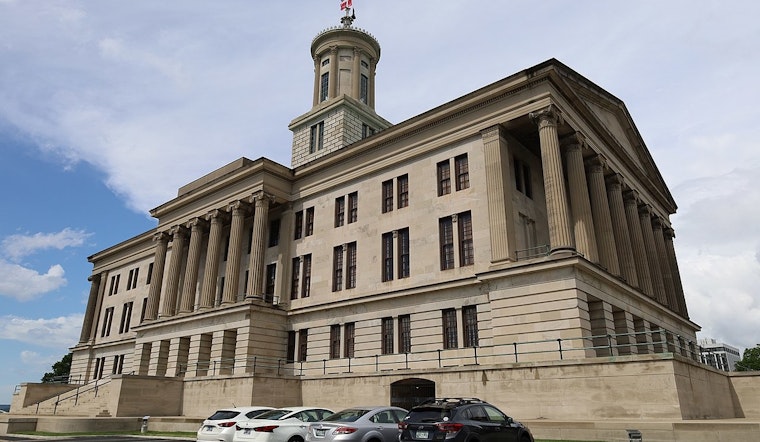
Senate Majority Leader Jack Johnson has moved to slim down the membership of a proposed statewide tunnel authority while keeping its sweeping regulatory muscle almost fully intact. His latest tweak narrows who would sit on the board but leaves in place the agency’s ability to permit, lease and oversee subterranean transit projects that run under public roads.
Johnson filed changes to HB 2450 / SB 2205 that cut the size of the proposed board, according to Business Journals. The revisions arrive as The Boring Company’s Music City Loop begins tunneling in Nashville and, under the bill’s language, would put the underground portions of such projects under a single state authority instead of a patchwork of local and state agencies.
What the authority would be able to do
The bill would create the Subterranean Transportation Infrastructure Coordination Authority and charge it with broad powers, described as being "vested with all powers necessary" to carry out its work, according to a memo from the Fiscal Review Committee memo. Those powers include adopting bylaws, executing contracts and leases, owning or encumbering property, regulating utilities within a transit project and setting permit and fee structures.
The same memo estimates initial state spending of roughly $5.4 million in FY26‑27 and anticipates about 20 staff positions to operate the authority. It also notes that any existing agreements tied to the Metropolitan Nashville Airport Authority could be transferred to the new agency by an October 1, 2026 deadline. Backers argue that centralizing subterranean oversight will speed safety reviews and coordination across county lines, while critics counter that the framework piles too much authority into state hands.
Local officials raise transparency and safety concerns
Metro Nashville leaders and neighborhood advocates have already pushed back, passing a resolution that questions the project’s transparency and flags environmental and accessibility issues, according to AP News. Council member Delishia Porterfield has warned that publicly owned land should serve a public benefit, and disability advocates are pressing for clearer assurances that vehicles and stations will comply with Americans With Disabilities Act standards.
Where the project stands and timeline
Digging for the Music City Loop is already underway, and project supporters say early segments could be open within the next year. Critics point out that because much of the tunnel route tracks with state-owned roads, local zoning and permitting offices have limited leverage, according to WSMV4. The Boring Company has said construction will be privately funded and pitched the tunnels as a way to ease surface congestion, while city officials continue to stress that local review remains crucial for public safety and land use impacts.
What happens next
SB 2205 has cleared multiple Senate committees and remains on the legislative calendar as lawmakers debate amendments and next steps, according to the Tennessee General Assembly bill page. Legislators in both chambers are expected to keep the bill moving through hearings and votes in the coming weeks as the state weighs whether to centralize subterranean oversight under the new authority.
Legal implications
Because the bill allows the authority to assume agreements and claim exclusive control over property and utilities inside a transit project’s footprint, legal observers note that it could curb local power over zoning, property assessment and emergency jurisdiction. Those are the practical and legal fault lines that lawmakers and city officials say they want spelled out before any final vote.
With the board trimmed yet the powers largely untouched, the fight at the Capitol has shifted to a bigger question: whether Tennessee will hand underground transit to a single statewide regulator or preserve a stronger role for local voices in Nashville and any other cities that find themselves sitting on top of future tunnels.





