

























































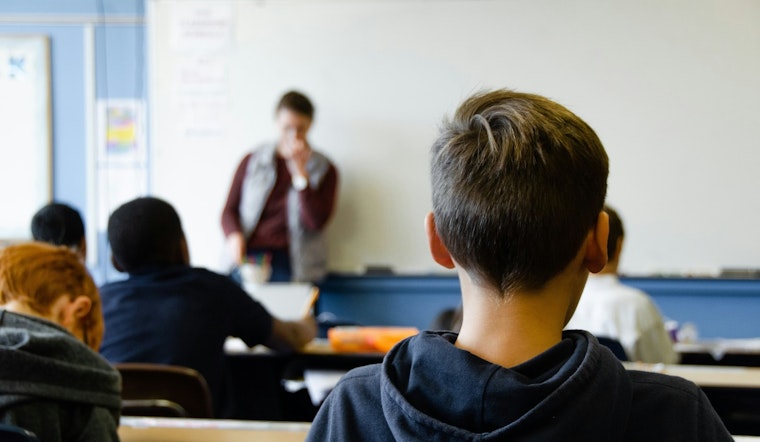
Republicans in Texas are quietly testing how far they can go in limiting access to public schools for undocumented children, floating proposals that would make it harder - and in some cases impossible - for those kids to enroll. The ideas on the table range from forcing districts to collect immigration papers to letting local officials charge tuition or refuse to enroll certain students. Parents, educators and immigrant advocates warn that these moves would shove families out of classrooms and straight into costly legal fights.
As reported by KXAN on March 18, 2026, the current push leans on a mix of new legislation and administrative tweaks aimed squarely at provoking a court challenge to Plyler v. Doe. According to KXAN, lawmakers and allied groups see a conservative-leaning federal judiciary and recent federal policy shifts as a window to reopen the 1982 Supreme Court ruling.
What Plyler v. Doe protects
Plyler v. Doe is the 1982 U.S. Supreme Court decision that says states cannot deny K-12 public education to children because of their immigration status. In its opinion, the court found that shutting children out of school creates a lifelong hardship and violates the Equal Protection Clause, a conclusion laid out in the court’s opinion.
A wave of state measures
Texas is not the only state eyeing Plyler. Education Week has documented efforts in several states to demand proof of immigration status at enrollment, charge tuition to undocumented families or keep undocumented children out of classrooms altogether. In Tennessee, similar efforts drew large protests and forced lawmakers to tap the brakes while sponsors asked Washington for guidance, according to The Associated Press.
Legal and funding pitfalls
Legal advocates and policy analysts say these state-level experiments are practically begging for lawsuits and could put federal education dollars at risk, given nondiscrimination requirements attached to that money. The advocacy group EdTrust-Tennessee has been tracking the proposals and their potential fiscal fallout. Analysts also push back on claims that excluding undocumented children will save money, calling that logic a long-term budget blunder in analysis by the Niskanen Center.
What to watch next
Conservative groups have been blunt about their goal: get Plyler back in front of the courts. A Heritage Foundation backgrounder released this year explicitly urges states to mount fresh challenges. Given Texas' recent battles over in-state tuition and school vouchers, many see the state as a prime test case. For now, all eyes are on committee calendars, fiscal notes and any early court filings to see whether these proposals are more political posturing than policy overhaul. School districts and parents say that if the bills move, they will be pushing hard for clear direction from federal authorities before the next school year begins.




