

























































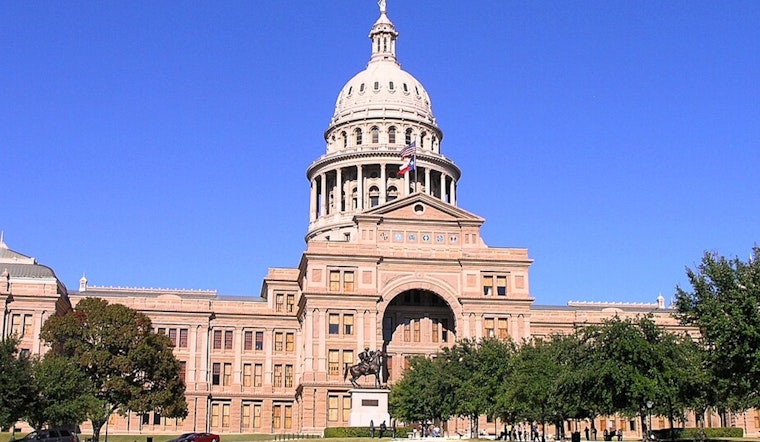
Texas House Speaker Dustin Burrows has put a bold idea on the table, instructing a select committee to study whether Texas could fold in one or more neighboring New Mexico counties. The late-March directive tasks lawmakers with digging into the legal, fiscal, and constitutional ripple effects of redrawing the map, and it landed just as New Mexico lawmakers were debating their own plan to let counties pursue secession votes. What started as a regional political gripe is now getting the full policy-treatment on both sides of the state line.
Speaker directs study of Texas-New Mexico boundary
Burrows handed the assignment to the House Select Committee on Governmental Oversight, asking members to "study the constitutional, statutory, fiscal, and economic implications of adding to Texas one or more contiguous counties of New Mexico," according to the Texas House. The charge directs the panel to analyze U.S., Texas and New Mexico constitutional provisions alongside federal and state statutes and judicial precedent, then spell out the procedural steps that would be required at both the state and federal level. Lawmakers on the committee were also told to be ready with recommended draft legislation or resolutions if the idea ever moves beyond the homework phase.
What New Mexico's HJR 10 would allow
Over in Santa Fe, House Joint Resolution 10, filed by Reps. Randall T. Pettigrew and Jimmy G. Mason, would set up a constitutional amendment laying out how counties could attempt to secede. The proposal calls for petitions signed by at least 15% of qualified electors in each of three or more contiguous counties to trigger a special election, followed by a two-thirds approval in each county, unanimous county commission resolutions and payment of any outstanding county debts before a transfer could move forward, according to the New Mexico Legislature. Any change in the map would still hinge on action by Congress and a presidential signature.
Permian Basin politics and pushback
Local supporters have framed the whole notion as a reaction to what they see as a cultural and fiscal disconnect with policymakers in Santa Fe. Rep. Randall Pettigrew told the Albuquerque Journal that he floated the concept to "create conversation" and suggested that, if all the hurdles were cleared, voters in the region could "get the hell out of New Mexico." State leaders did not exactly play along. Gov. Michelle Lujan Grisham's communications director told the Journal that New Mexico intends to stay in one piece and labeled the proposal "ridiculous."
Legal hurdles remain steep
Even if voters and county commissions lined up behind a move, the legal path would be anything but simple. HJR 10 itself spells out multiple state-level prerequisites, including petitions in each county, a two-thirds special election approval in every county involved and unanimous county commission votes, and it explicitly requires congressional approval and a presidential signature for any territorial handoff, according to the New Mexico Legislature. Taken together, that web of state and federal approvals sets a very high bar for shifting the border.
What happens next
For now, the Texas move is mainly about research, not rushing the border. The interim charge puts the idea on a formal study track, with the select committee instructed to review constitutional and statutory obstacles and expected to present findings and model drafts for the 2027 legislative session, according to the Texas House. Burrows had already signaled some sympathy for letting Lea County residents weigh in on the concept, according to reporting by the Dallas Express. The study itself may be procedural, but it is enough to keep this cross-border drama parked on the radar in both Austin and Santa Fe.



