

























































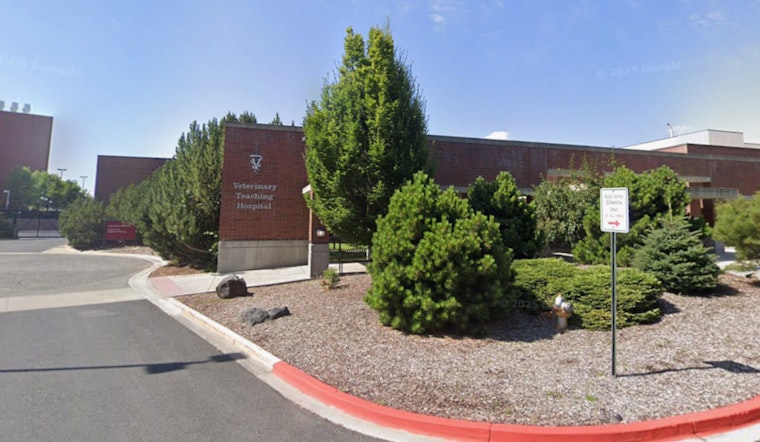
Washington State University has pulled the plug on the equine portion of its large-animal surgery elective after what it describes as a flood of threatening and hostile messages aimed at people in its veterinary community. The change means the eight horses slated to be used in the class will not be brought to campus in Pullman this spring, and the university says the choice was driven by concern for the safety of students, staff and the animals.
In a Facebook statement, the WSU College of Veterinary Medicine said it had "received a high volume of threatening and hostile communications directed toward members of our community" and stressed that "the safety of our students, faculty, staff and animals is our highest priority." College leaders said campus safety officials were involved in the decision to pause the equine component of the elective.
The announcement quickly drew regional attention. Capital Press reported Tuesday that the equine section of the course had been under a spotlight in recent days and confirmed that the college would not proceed with bringing the eight horses to campus this term.
What the canceled lab involved
At the center of the controversy are so-called "terminal" teaching labs, which are exercises in which live animals are used for supervised surgical training and then euthanized at the end of the procedure. Critics had urged WSU to halt those labs, arguing that the practice is ethically troubling and that the animals could instead be placed at sanctuaries or rehomed.
Business Times Journal reported that veterinarians, students and alumni had publicly pressed the university over plans involving multiple horses and goats, questioning whether killing animals in order to teach surgery is still acceptable practice in modern veterinary education.
Training, ethics and alternatives
Live-animal terminal labs have become a flashpoint in vet schools more broadly, and many programs are experimenting with other ways to teach surgical skills. Some are trying advanced simulators, others rely on ethically sourced cadavers, and still others partner with shelters to provide spay and neuter opportunities that help both students and homeless animals.
Trade coverage, including an overview in the Paulick Report, has tracked a gradual shift in how schools balance the need for hands-on training with growing concern about animal welfare and public scrutiny of what happens behind teaching-hospital doors.
While WSU weighed changes to its course, students and alumni circulated petitions and offered to rehome animals or place them at sanctuaries, Business Times Journal reported. In its public statement, the university did not spell out what will happen to the animals over the longer term, but it reiterated that the eight horses would not be brought to campus this spring, citing safety concerns tied to the recent wave of threats.
WSU's decision lands in the middle of an already heated conversation inside and outside veterinary schools about how future surgeons should learn their craft while responding to ethical questions and safety worries. With the equine component on hold, students, faculty and other stakeholders say they expect a closer review of the course and a wider debate over whether live-animal terminal labs still belong in the veterinary classroom.





