

























































Washington’s Columbia Basin is staring down a drier future, with a new state forecast pointing to less late summer water and more frequent multi year droughts in the years ahead. The draft report flags shrinking mountain snowpack, earlier runoff and increasingly stressed groundwater supplies as the main forces tightening the tap, a combination that could squeeze irrigation districts, small towns and already stressed salmon runs.
State forecast and what it found
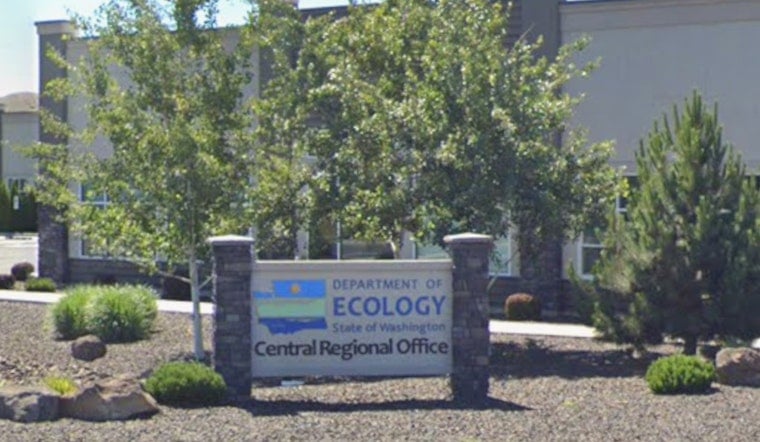
The draft 2026 Columbia River Basin Long Term Water Supply and Demand Forecast, prepared by the Washington Department of Ecology in partnership with Washington State University, lays out those weak spots and when they are most likely to hit, according to the Washington Department of Ecology. Ecology is taking public comment on the draft through July 31 and has been on the road this month with basin workshops to hear directly from irrigation districts, tribes and municipal suppliers.
“We are already experiencing the increased pressures that come from consecutive droughts,” Melissa Downes, projects section manager for Ecology’s Office of Columbia River, said in the department’s release. The forecast warns that as winters warm, more precipitation will fall as rain instead of snow, sending runoff downhill earlier and shrinking the natural high country storage that usually helps prop up summer flows.
How researchers built the forecast
Researchers at Washington State University who contributed to the forecast say the work knits together surface water and groundwater models with future climate scenarios and projected shifts in agricultural demand, then runs those through dozens of possible management options. Technical background on the modeling methods and the scenario testing is summarized on Washington State University.
Independent hydrology data
No one report has the field to itself. USDA’s Natural Resources Conservation Service noted in its spring water supply outlook that many forecast points across Washington were running below median for the April through September period, and the Bureau of Reclamation’s July forecast for the Yakima Project estimates that junior irrigation users will get roughly 56% of their full entitlements this summer. Those real world operational forecasts show how thin snowpack and earlier runoff are already turning into concrete cuts for farmers who depend on proratable supplies.
On the ground impacts
Places that live and die by predictable summer flows, including the Yakima Basin, parts of the Columbia Plateau and other central and eastern Washington irrigation districts, are not waiting around. Local planning documents and reporting show some growers leaving fields fallow and districts shuffling deliveries, and the Yakima Basin Integrated Plan pulls together recent Reclamation forecasts, how districts are responding and the ways managers are coping with reduced allocations.
What managers are weighing
Water managers do not have an endless toolbox. The list includes prorationing, emergency leases and transfers, temporary permits, targeted conservation and investments in storage or aquifer recharge, and the forecast is serving as a test bed to compare the tradeoffs. Federal and basin managers are expected to use the coming months of public input and regional roundtables to sort out which combinations of measures might best protect farms, towns and fish over the long haul, and they point to the Bureau of Reclamation’s Yakima forecasts for details on how current operations and prorationing are playing out.
What to watch next
The draft forecast will plug into statewide water planning conversations through the summer as officials collect comments and refine their recommendations. Following the public comment window and workshop notes will be the clearest way to see what changes and what sticks. For the reporting that first put the new forecast on the broader public radar, see coverage by Oregon Public Broadcasting.





