

























































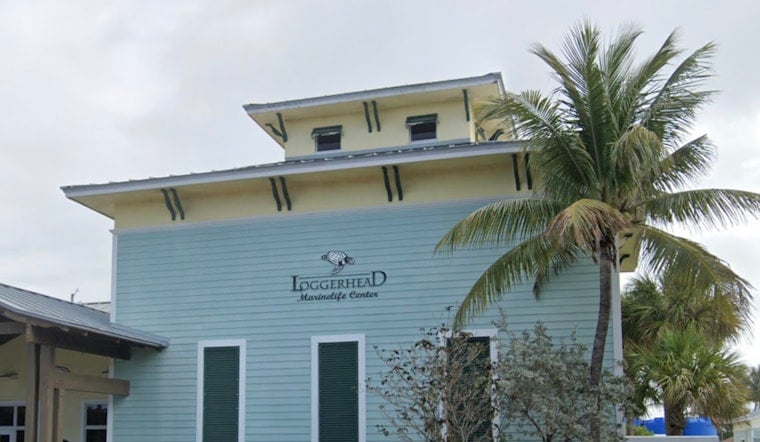
Amelie, a three‑limbed Kemp's ridley sea turtle, headed back into the Atlantic off Juno Beach on Wednesday with a satellite tag strapped to her shell so scientists can keep tabs on her at sea. Her big return followed weeks of surgery and intensive care at the nearby sea turtle hospital, and staff members broke into cheers as she eased herself into the surf.
According to AP, Amelie lost her right forelimb in what veterinarians believe was likely a shark encounter and was brought to the Loggerhead Marinelife Center after being found by rescuers. She underwent surgery to clean and close the wound and was treated for pneumonia before staff decided she was strong enough to go home to the ocean. An ultrasound at the center showed Amelie is developing eggs, giving researchers even more incentive to track where she travels next.
Amelie’s patient profile and live tracking feed are posted by the center, and Loggerhead Marinelife Center's tracker notes she stranded in February and lists her size, weight and tagging year. Once the satellite tag begins transmitting, the tracker will start publishing location data so staff and the public can see where rehabilitated turtles head after release. That public feed is the main record researchers are using to follow Amelie and other former patients.
How the satellite tags work
The tracking units use a saltwater switch that senses when a turtle surfaces to breathe, then triggers the transmission of location data to satellites, with positions typically appearing online after about a 24‑hour delay, according to The Independent. That remote signal lets researchers study dive patterns and migration routes without handling the animals again. Scientists say combining rehabilitation care with satellite monitoring should help them understand how well amputee turtles survive after they are returned to the wild.
Early signs from other amputees
The center is already following other three‑limbed success stories. A three‑limbed loggerhead named Pyari has logged about 698.6 miles of travel since her release, per the center’s tracker. Those long-distance moves suggest amputee turtles can still cover serious ground and may slip back into normal population patterns after intensive rehab.
"We do know that they can be successful in the wild," Loggerhead research director Sarah Hirsch said, underscoring why the team is watching Amelie so closely. The Independent reported Hirsch saying researchers want to better understand dive depths, migration and post‑release survivorship in amputee turtles.
You can follow Amelie and other rehabilitated turtles on the center’s online tracker, and AP notes the center shares locations for research projects so teams can monitor migrations. For now, Amelie’s return serves as a reminder that even seriously injured animals can sometimes rebound and head back to the wild with help from local rescuers and a bit of satellite-age science.



