

























































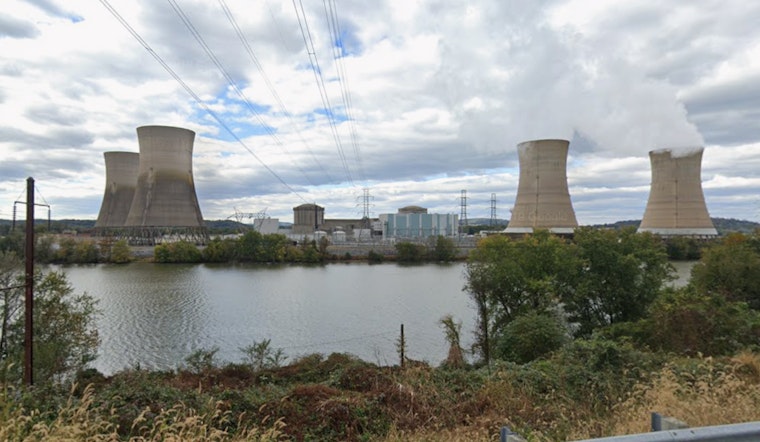
Constellation Energy’s long-touted plan to bring part of Pennsylvania’s Three Mile Island nuclear site back to life just hit a big snag: the regional grid operator says the plant cannot plug into the system until 2031, several years after Constellation plans to have it ready.
Speaking at CERAWeek in Houston, Constellation executives said PJM Interconnection has told the company that the former Three Mile Island Unit 1 will not be allowed to connect to the PJM grid until 2031. That timeline lands well beyond Constellation’s own target to restart the unit in 2027 and raises fresh questions about whether the project can actually deliver the firm, around-the-clock power promised to a major corporate buyer when the plant is supposed to be back online.
David Dardis, Constellation’s head of commercialization, told Reuters that PJM has indicated some of the needed transmission upgrades will not be finished until 2031. Constellation, for its part, maintains it can have the unit itself ready by 2027. That split between plant readiness and grid readiness is the crux of the new timing fight.
The restart plan for Three Mile Island Unit 1 hinges on a 20-year power purchase agreement with Microsoft paired with a multi-year refurbishment program at the site. In a press release announcing the deal, Constellation said the unit will be rebranded as the Crane Clean Energy Center and that workstreams are already moving toward a 2027 restart target. The U.S. Nuclear Regulatory Commission maintains a facility page for the Crane Clean Energy Center that tracks Constellation’s filings and licensing steps, according to NRC.
Why the grid timeline matters
Bringing a large generator like the Crane Clean Energy Center onto PJM’s system is not as simple as flipping a switch. It requires significant transmission upgrades and tight coordination among multiple grid and infrastructure owners, and those projects typically take years to design and build.
PJM’s own filings and planning documents show the operator shifting to a “first-ready, first-served” process for new interconnections and working through a sizeable backlog of projects. That queue, and the associated network upgrades, can push completion dates into the early 2030s, which helps explain the 2031 date Constellation was given, according to PJM.
Market reaction and next steps
Investors did not exactly cheer the news. Constellation’s shares slipped after the timeline comments, and the company says it is now leaning on transmission owners to speed up the work so that grid access and plant readiness are closer to in sync.
Dardis told Reuters that Constellation is in active talks with those transmission owners and intends to pursue every possible path to shrink the gap between when the unit is ready and when the grid can actually take its power.
From here, the fate of the restart will unfold on two parallel tracks. On one side is Constellation’s licensing work and physical refurbishment at the Crane Clean Energy Center. On the other are PJM and the transmission owners, along with their engineering studies and construction schedules. Watch for public filings and updates with the NRC and PJM. Those documents will ultimately dictate whether the Crane Clean Energy Center starts sending Microsoft its contracted carbon-free power in the late 2020s or slips into the early 2030s.



