

























































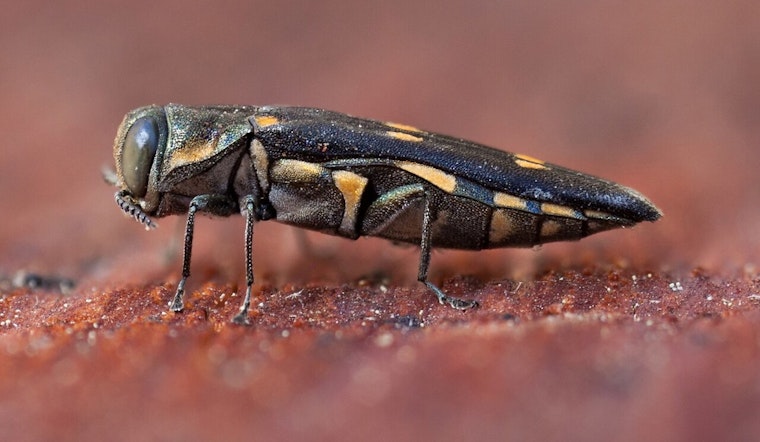
California officials sounded the alarm Wednesday over the goldspotted oak borer, a metallic beetle barely bigger than a pencil eraser that has already killed more than 200,000 mature oak trees across Southern California and keeps popping up in new areas, including Ventura County. The insect targets coast live oak, California black oak and canyon live oak, tunneling beneath the bark and cutting off the tree’s lifelines for water and nutrients. As those iconic oaks wither and topple, communities are left with lost wildlife habitat and an extra layer of fuel on already fire-prone hillsides.
State officials raise the alarm
In a post from CAL FIRE, state forest pathologists reported that recent detections and surveys show the beetle’s footprint expanding and repeated simple advice such as “buy or gather firewood where you plan to burn it.” The agency noted that infested trees can show thinning crowns, D-shaped emergence holes and dark sap stains, then completely die within a few years. Officials are asking residents to report any suspicious trees to local authorities so crews can track the spread and respond.
How to spot an infested oak
Homeowners are urged to watch for thinning or dying canopies, heavy woodpecker activity, dark wet stains on the trunk and the roughly 4-millimeter, D-shaped exit holes left by adult GSOBs. University of California pest specialists have compiled these telltale signs along with management tips. For a field guide to confirming and assessing suspect trees, see University of California IPM.
How it spreads — and what to do
The beetle does not travel far on its own. The real accelerator is people moving infested oak firewood from place to place. State guidance urges residents to buy local firewood or use certified, heat-treated wood, or to leave cut oak on site to season for two years before it is moved. Practical handling tips and regulatory details are available from the California Firewood Task Force and the U.S. Forest Service.
Where the outbreak has hit hardest
The pest was first identified in San Diego County and has since been confirmed across Riverside, San Bernardino, Orange and Los Angeles counties, with Ventura County detections reported last year as surveys widened. The Los Angeles Times and state agencies estimate that roughly 200,000 mature oaks have been lost across the region, a staggering hit that reduces wildlife habitat and adds to the buildup of dead fuels in landscapes already vulnerable to wildfire.
How you can help
If a tree on your property or in a neighborhood park looks like it might have GSOB, officials recommend taking clear photos of the trunk and canopy, writing down the exact location and reporting it to your county agricultural commissioner or local Cooperative Extension office. Community science projects and “blitzes” organized by UC Cooperative Extension and partner groups are helping map the outbreak so land managers can prioritize which trees to treat or remove. For local events and reporting options, visit UC Cooperative Extension.



