

























































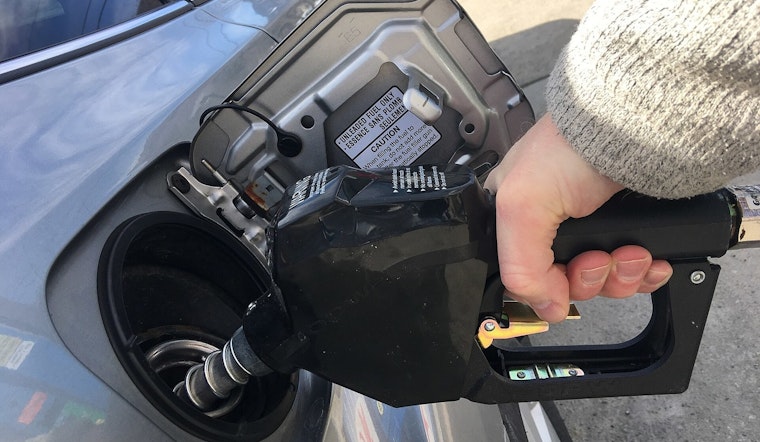
The Trump administration is teeing up a short-term shift in gasoline rules that could keep a few extra cents in drivers' pockets just as summer travel kicks into gear. The White House is preparing a temporary regulatory move that would let gas stations skip the usual switch to pricier, low-volatility summer blends and instead keep selling gasoline blended with 15% ethanol, known as E15, through the peak driving season. Officials are framing it as a narrow, time-limited step meant to soften the sting of rising fuel costs.
According to Reuters, three sources said the administration is preparing to lift federal summertime restrictions that typically force refiners to churn out more expensive warm-weather gasoline blends. The move could clear the way for retailers to keep offering E15 during the high-demand months instead of pulling it back when temperatures rise. Officials are still weighing whether to issue a single short waiver or a string of brief, rolling waivers that track market conditions.
How the waiver would work
The tweak would target the one-pound Reid vapor pressure, or RVP, limit that makes summer gasoline less volatile and less prone to evaporating. Relaxing that standard would allow E15 to satisfy summertime fuel specifications and stay in the mix, keeping that supply available at the pump. The Environmental Protection Agency has the legal authority to issue emergency fuel waivers and has used that power multiple times to respond to supply strains, according to the EPA.
Why officials say relief is needed
Administration aides point to a rapid jump in crude and wholesale gasoline prices following turmoil in the Middle East as the trigger for the plan. Reuters reports that U.S. crude briefly punched above $100 a barrel amid the Iran conflict. On the consumer side, the national average pump price has climbed into the mid-$3 range this month, according to the motor-club tracker AAA, a data point officials cite as part of the case for temporary relief.
Who supports and who objects
Biofuel advocates and farm-state interests have long lobbied for broader summertime access to E15, arguing that it can trim costs and boost domestic fuel supply. The Renewable Fuels Association pressed the administration in March with a letter urging immediate waivers to keep E15 flowing during the summer season. On the other side, environmental and public health groups warn that loosening summertime volatility standards could worsen ozone formation and local air-quality impacts. That critique has surfaced around past EPA fuel waivers as well, as reported by the AP.
What to watch next
All eyes now turn to the EPA and the White House for an official notice that would spell out how broad the waiver will be, how long it will last and which regions it will cover. State reaction will matter too. California and certain local jurisdictions maintain stricter fuel rules that can limit E15 sales regardless of what federal regulators do, so the impact will not be uniform nationwide. The EPA's fuel-waiver guidance notes that waivers can be tightly tailored and temporary, and previous moves have drawn legal and political challenges that could influence how aggressively the administration proceeds this time.
If the waiver goes forward, it would mark another short-term, market-focused maneuver by an administration leaning on regulatory tools to manage energy costs. Analysts say any effect on pump prices will depend on refinery operations, distribution logistics and how quickly retailers cycle through existing fuel stocks. Drivers in areas where E15 is widely available could see modest savings at the pump, but experts caution that a waiver on its own is no instant cure for broad, shock-driven price spikes.



