

























































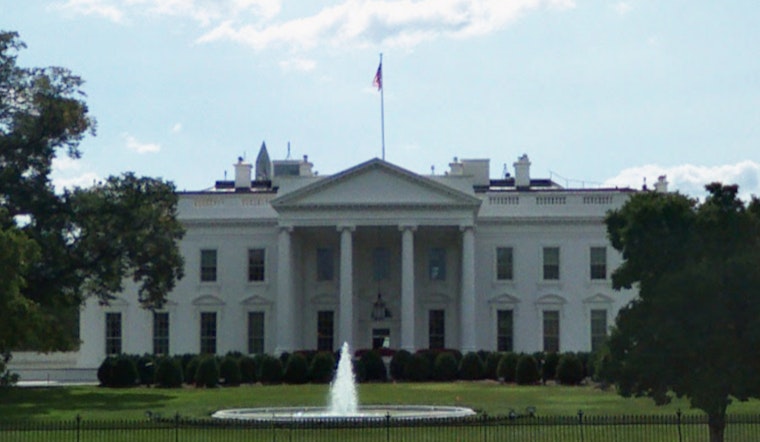
Kara Westercamp, a White House lawyer nominated to the U.S. Court of International Trade, spent her confirmation hearing on defense on Wednesday, apologizing for a trail of inflammatory social media posts that senators said raised red flags about her judgment. The tweets, some criticizing sitting lawmakers and referencing the January 6, 2021 attack on the Capitol, turned a typically sleepy trade court hearing into a political stress test, as reported by Reuters.
Apology Came Under Questioning
Pressed at a Senate Judiciary Committee hearing, Westercamp acknowledged that she wrote the posts in a personal capacity while working at the Justice Department, according to Reuters. She apologized for tweets that took aim at U.S. senators and touched on the January 6 attack, and told lawmakers she condemned “all violence that occurred on January 6, 2021,” the outlet reported.
What She Told Senators
Westercamp told the panel that “in hindsight, I think that using Twitter is not the right platform,” and said some of her posts reflected poor personal judgment rather than any official policy, according to Reuters. Senators, including Illinois Democrat Dick Durbin, pushed her to square those comments with what they called a “prolific, inflammatory” social media history. The record shows she once referred to Senate GOP leader Mitch McConnell as “Cocaine Mitch” online, a detail that drew particular attention in the hearing room.
Why the Trade Court Matters
The U.S. Court of International Trade handles the kind of nuts-and-bolts disputes over tariffs, customs, and import duties that rarely make cable news, but carry huge economic stakes. Those issues have been especially prominent since the Supreme Court blocked much of President Trump’s tariff program. The high court’s February 20 decision to strike down sweeping emergency tariffs has injected new uncertainty into questions about refunds and legal authority, a shift that could send more fights into federal trade forums, according to PBS NewsHour and legal analysis from a national law firm.
Nomination Background
President Trump first rolled out Westercamp’s name in February as part of a broader slate of judicial picks, a move that was later recorded in the official presidential digest. The American Presidency Project logged the February 12 announcement. The University of Iowa notes that before joining the White House counsel’s office, Westercamp spent roughly a decade in the Justice Department’s Civil Division.
What Comes Next
Westercamp’s nomination is now formally before the Senate as PN851-8 and has been referred to the Judiciary Committee. With Wednesday’s hearing in the books, the panel can decide whether to advance her nomination to the full Senate. The committee’s public nominations listing outlines the referral and the standard steps that follow a confirmation hearing, per the Senate Judiciary Committee.
Critics and Context
Civil rights and legal watchdog groups have flagged Westercamp’s public posts as a reason to scrutinize her path to the bench. Advocacy organizations such as Alliance for Justice have publicly cataloged concerns about judicial nominees’ prior political activity online. Reporting and archived versions of Westercamp’s social media timeline have drawn attention from observers who argue that the line between past political speech and the neutrality expected of a federal judge will be a central issue if she is confirmed, as noted by independent legal commentators and media coverage.
Bottom Line
Westercamp’s apology may cool some of the immediate blowback, but her social media history is now locked into the official record at the very moment the trade court is gaining fresh significance after the Supreme Court’s tariff decision. Senators must decide whether her experience and demeanor outweigh the optics of a lifetime seat on a court suddenly in the middle of consequential trade litigation.


