

























































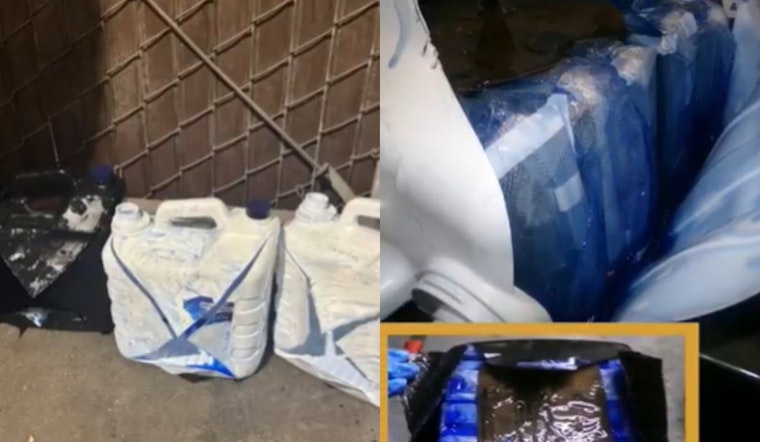
A traveler who was supposed to be among the “trusted” was anything but today, when Customs and Border Protection officers at the Otay Mesa Port of Entry detained a Trusted Traveler after finding 41 pounds of cocaine hidden inside a vehicle. San Diego CBP leadership announced the seizure and credited frontline officers who pulled the car aside for a closer look. CBP has not released the traveler’s name or said whether federal charges have been filed.
In a post on X, Director of Field Operations Sidney Aki said the stop happened at the Otay Mesa port and thanked officers for their work, noting that they had apprehended a Trusted Traveler and seized 41 pounds of cocaine. Aki’s update, posted today, did not describe the timeline of the stop or how the drugs were concealed in the vehicle. The brief social media post also did not identify the traveler or spell out what legal steps might follow.
Frontline @CBP officers at the #OtayMesaPOE apprehended a "trusted traveler" attempting to smuggle 41 lbs. of cocaine concealed in a vehicle. Thanks to our #CBPofficers diligence and dedication we have one less smuggler on the loose.#SanDiegoFieldOffice #StopDrugTrafficking pic.twitter.com/PwIkPlL1kM
— Director of Field Operations Sidney Aki (@DFOSanDiegoCA) March 9, 2026
How CBP Described the Stop
The public post credited frontline CBP officers for the discovery but omitted several operational details. It did not say which inspection lane the traveler used, whether a K-9 team or an imaging system first alerted officers, or which specific area of the vehicle contained the narcotics. Details like that often show up later in a formal CBP news release, while quick social media updates typically go out first. For now, the agency’s post on X is the main public record of how this particular seizure unfolded.
Trusted Traveler Status Is Not a Free Pass
Trusted Traveler programs, including SENTRI and Global Entry, are designed to speed up crossings for pre-approved, low-risk travelers. That convenience does not mean anyone is exempt from secondary inspection. According to CBP, enrolled travelers remain subject to examination and can lose their privileges if they violate program rules. The status is a shortcut in the line, not immunity from scrutiny, and officers regularly send vehicles and passengers to secondary when something looks off.
Otay Mesa’s Track Record on Drug Seizures
Otay Mesa is one of the busiest border crossings in the San Diego field office and a frequent scene of drug interdictions. In recent years, officers there have uncovered multiple large narcotics loads, often hidden in sophisticated compartments and detected with help from K-9 teams. As reported by KYMA, CBP officers at Otay Mesa have intercepted multi-package cocaine shipments and have credited canine units and imaging technology in earlier busts. Those cases highlight that even in expedited lanes, referrals to secondary inspection are always on the table when officers spot signs of possible smuggling.
What Usually Happens After a Seizure
Aki’s social post did not say whether the traveler in this case has been charged with a crime. In past incidents at Otay Mesa, CBP has typically seized the drugs and then turned the investigation over to other federal units. Local coverage of earlier Otay Mesa busts notes that drivers and vehicles have been handed off to investigative authorities, including Homeland Security Investigations, for follow-up and potential prosecution, as 10News has reported from prior CBP releases. Administrative consequences can also follow, including the loss of Trusted Traveler privileges for anyone found to have abused the program.
Next Steps and Unanswered Questions
Federal investigators or prosecutors may eventually release information on any charges if Homeland Security Investigations opens a case and the U.S. Attorney decides to file. For now, CBP’s brief X post remains the agency’s only public statement about the stop. Reporters and curious border watchers will likely be looking for a more detailed CBP news release or federal court records to reveal the traveler’s identity, how the cocaine was concealed, and whether criminal charges move forward. This story will be updated as agencies publish more information.



