

























































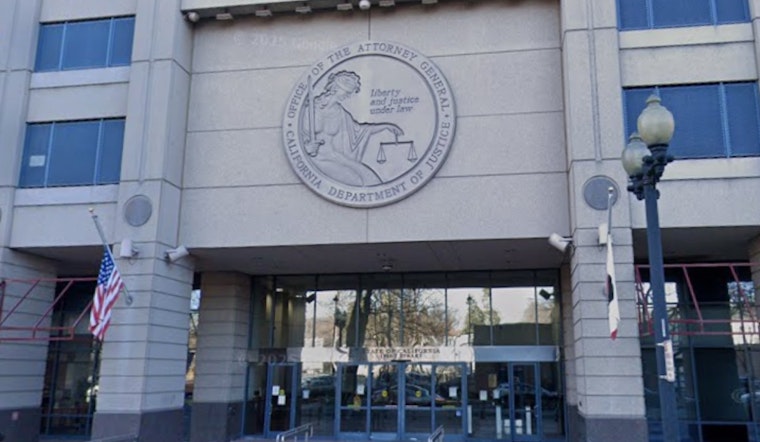
Uber is throwing serious weight behind a California ballot initiative that would force people hurt in car crashes to walk away with at least 75 percent of any settlement or verdict. The company says the move would keep more cash in victims' pockets. Critics counter that it could dry up legal representation for many injured Californians. The proposal also tightens what medical costs can be recovered and outlaws certain referral relationships between law firms and medical providers, setting up a high-dollar political fight with major consequences for Bay Area riders and the state court system.
What the proposal would change
According to the California Attorney General, the measure would require attorneys to structure fees and costs so that crash victims keep at least 75 percent of any total recovery. It would also peg certain medical damage claims to Medicare or Medi-Cal benchmarks, raise the standard of proof for medical liens, and ban specific attorney-provider referral arrangements. The Legislative Analyst's Office has warned that these changes could reduce the number of auto accident lawsuits filed, while creating offsetting effects on Medi-Cal spending and court workloads.
Why lawyers call it a Trojan horse
Trial attorneys and some legal scholars argue that a hard cap on contingency fees would make it economically impossible to take many lower-value or complex crash cases, since the traditional one-third contingency split often subsidizes investigation, expert witnesses, and other litigation costs, as reported by the Los Angeles Times. Opponents have already built a sizable campaign operation, and CalMatters reports that both backers and critics have raised tens of millions of dollars as signature gathering and early advertising ramp up.
Medical groups say patients could lose out
Doctors and medical provider advocates caution that tighter caps and a higher proof threshold for liens could push clinicians away from treating crash victims on lien, particularly patients who lack strong health insurance. That could leave some injured people facing unpaid medical bills or more limited treatment choices, according to local reporting. Provider coalitions have started fundraising and public outreach to argue that the initiative would undercut access to rehabilitation and follow-up care, as detailed by the Piedmont Exedra.
Uber's pitch and the robotaxi backdrop
Uber's campaign says the amendment would ensure that injured Californians "receive the majority of any auto accident recovery" while cracking down on what it calls ambulance-chasing lawyers, according to Axios. At the same time, Uber has been expanding into driverless rides, announcing a multihundred-million-dollar partnership to deploy large numbers of Lucid vehicles equipped with Nuro's driver technology, a shift critics say raises the stakes for how liability rules are written, according to Lucid.
Money and timeline
State records show that petition circulation is being bankrolled by a committee called "A More Affordable California, Sponsored by Uber." Because the measure would amend the state constitution, supporters must gather more than roughly 874,000 valid signatures by early June for it to appear on the November 2026 ballot. CalMatters reports that both sides have already spent heavily on signature drives and TV ads. Official disclosures name Uber as the primary funder of the sponsoring committee, according to the California Secretary of State.
Legal implications
Legal analysts say that raising the burden of proof for medical liens and requiring that fees and costs be calculated before dividing the recovery could reshape litigation strategy and influence which crash victims can realistically pursue claims. The Legislative Analyst's Office concluded that the initiative could reduce court caseloads while at the same time increasing certain Medi-Cal costs, a tradeoff that voters and lawmakers would need to weigh if the measure qualifies for the ballot.
What to watch next
All eyes will be on signature counts as the early June deadline approaches. If supporters clear that hurdle, Californians can expect an expensive fall showdown playing out across TV screens and mailboxes. Observers are also watching how quickly Uber's robotaxi partnerships and deployments scale up next year. Reporters project phased rollouts that could make questions about corporate liability and consumer recourse especially significant for Bay Area riders and workers, according to the Associated Press.



