

























































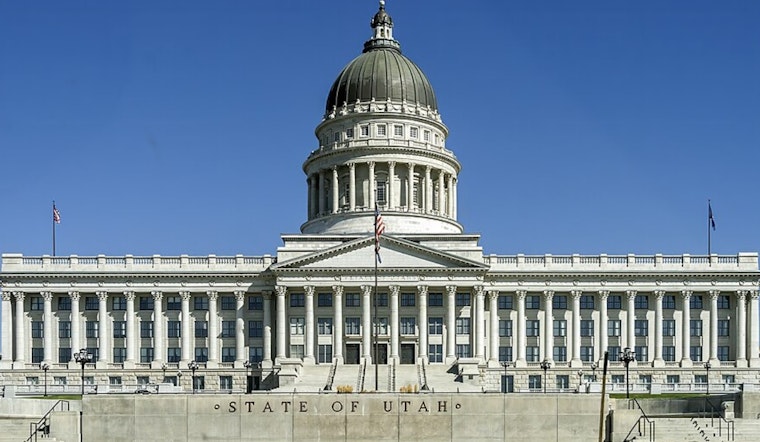
Utah lawmakers are back at the Capitol trying to mop up the mess from the state’s sweeping crackdown on diversity programs, after a Weber State University controversy went viral and turned into a national headache.
Two years after the Legislature rewrote how public colleges and schools handle diversity efforts, a new Senate proposal aims to calm the chaos. The bill would carve out protections for invited speakers and require more public calendars and recordings, after some campuses responded to the law with strict compliance rules that led to event cancellations and office shakeups. Lawmakers and higher education officials say they want to reopen the space for debate while keeping in place the law’s limits on institution-run diversity programs.
What SB295 would do
Sen. John Johnson’s SB295, titled “Intellectual Diversity in Education and Government,” is written to make clear that the 2024 anti-DEI statute does not apply to guest lecturers or panel discussions, and to nudge colleges to host public policy events that include debates and competing viewpoints. As reported by The Salt Lake Tribune, the bill sailed through the Senate Education Committee with unanimous support and is now headed for consideration on the Senate floor. Supporters told lawmakers they see the changes as a way to keep administrators from overcorrecting and narrowing what students are allowed to hear on campus.
How the bill rewrites the code
A legislative summary from the Utah System of Higher Education explains that SB295 would move several definitions from last year’s HB261 into Utah Code Title 53H. The bill would also tweak the statute’s language so it explicitly excludes presentations by guest lecturers and invited speakers.
Committee documents and the hearing video posted on the Legislature’s website show lawmakers layering in new transparency requirements. Campuses would have to maintain a public events calendar and post recordings of qualifying events, so they can show, not just claim, that a range of viewpoints is actually being presented. Backers say those steps are meant to protect the “marketplace of ideas” while leaving intact the original ban on institution-led, identity-based programming that privileges one group over another.
Weber State episode prompted the push
The drive to clarify the law picked up speed after an episode at Weber State University involving Indigenous author Darcie Little Badger. She canceled a scheduled appearance after receiving a speaker form that listed “prohibited words and concepts,” including equity, diversity and inclusion, anti-racism, bias, oppression and intersectionality. Staff told her the list was tied to the 2024 law. The incident drew national attention and calls for a legislative fix, as reported by The Salt Lake Tribune.
It was not an isolated concern. A broader wave of campus changes, including universities repurposing or reorganizing cultural and DEI offices after HB261, has been documented by outlets such as Utah News Dispatch and Deseret News.
Supporters, critics and what’s next
Johnson and his supporters emphasize that SB295 would not roll back HB261’s core limits on institution-run diversity programming. Instead, they say, it is meant to stop administrators from clamping down on outside voices. As Johnson told reporters and committee members, “Institutional neutrality does not mean speakers cannot state a point of view. It means institutions cannot compel belief or punish dissent.” That framing was highlighted in local coverage of the hearings.
Civil liberties and free speech advocates are not convinced. Groups such as PEN America argue that the original statute’s vague wording created the censorship problems in the first place. In their view, tweaking the law’s language may not be enough to undo the chilling effect that the Weber State “forbidden words” episode has already sent through campus bureaucracies.
SB295 now heads to floor votes in the Legislature. The bill text, committee materials and a recording of the Feb. 19 hearing are posted on the Legislature’s website for anyone who wants to read the amendments or watch the debate play out in full.





