

























































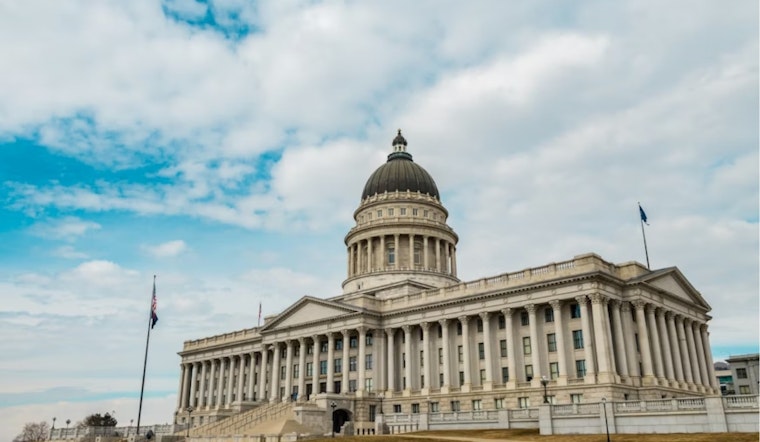
Utah lawmakers inched closer this week to putting Good Friday on the state’s official holiday calendar, and they stirred up a familiar storm over where religion ends and government begins. The Senate took up SB193, a bill that would add the Friday before Easter to Utah’s list of legal holidays. Fans of the move say it would give observant Utahns space to attend services and be with family, while critics warn it could scramble school schedules and invite fresh church-state headaches.
What the bill would change
SB193, sponsored by Sen. Keven J. Stratton (R-Orem), would amend Utah Code 63G-1-301 to slot Good Friday alongside the state’s existing legal holidays. According to the Utah Legislature, the bill “makes Good Friday a legal holiday in Utah” and sets an effective date of May 6.
A bruising floor fight
The proposal quickly turned into a nail-biter on the Senate floor, where it initially deadlocked in a 12-12 tie, as reported by KSL. Senators later revived the bill for more debate. After Stratton tacked on an amendment suggesting employers offer a half-day, a “four-hour vacation” in his words, the Senate advanced the measure again. The back-and-forth made it clear the bill has ardent supporters and equally dug-in skeptics.
Why some lawmakers pushed back
Opponents focused less on theology and more on logistics, pointing to likely ripple effects for schools and workplaces if Good Friday became a statewide legal holiday. “Not every district wants to have the same week off,” Sen. Kathleen Riebe told reporters, warning that a one-size-fits-all calendar could be “problematic,” as KSL noted. Other coverage has raised broader church-state concerns, and The Salt Lake Tribune has explored whether elevating Good Friday to a legal holiday nudges up against constitutional limits.
Supporters say it's about religious liberty
Stratton and his allies cast the bill as a straightforward religious accommodation, not a state endorsement of Christianity. He has described Good Friday as “the most solemn day” for many Christians and argued that the holiday would give people time for worship and reflection, according to Yahoo News. Supporters also note that last year the Legislature approved a list of state “holy days” meant to acknowledge a range of religious observances, as reported by Deseret News.
Legal and practical implications
Writing a religious observance into state law inevitably brushes up against constitutional questions about the Establishment Clause and how courts judge government actions that intersect with faith. Courts have long used tests outlined in Supreme Court case summaries on Oyez to decide whether a government measure unlawfully advances religion, and that legal framework looms over any future challenge. For now, though, much of the argument in Salt Lake City is grounded in more mundane concerns like school calendars and workplace policies.
What happens next
SB193 still has to clear the Utah House and then land on the governor’s desk before it can become law. If it passes, the bill’s text sets May 6, 2026, as the effective date. In the meantime, school boards, employers and religious communities will be watching closely as legislators decide whether the promised accommodation outweighs the logistical and constitutional worries that opponents keep flagging.





