

























































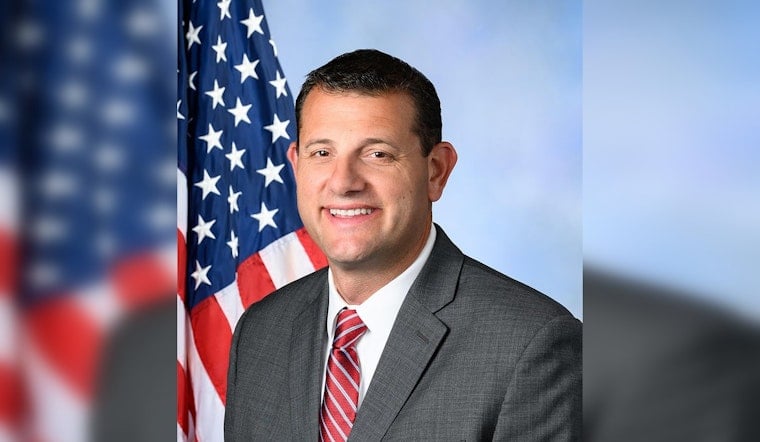
David Valadao’s decision last summer to back a sweeping House reconciliation package has turned what could have been a routine re-election cycle into a high-stakes fight over health care in the Central Valley. In a district where Medi-Cal is stitched into everyday life for hundreds of thousands of families, that single vote has galvanized both organizers and opponents. The open question now is whether voters who rely on the program will forgive an incumbent who helped pass a bill critics say will shrink coverage and pile on red tape.
Valadao voted for H.R. 1, the so-called “One Big Beautiful Bill,” in July 2025, a move opponents characterize as a direct hit to Medi-Cal in some of California’s most dependent communities. In a statement to reporters, Valadao defended the vote, saying “no piece of legislation is perfect, but this bill ultimately reflects the priorities of CA-22,” as reported by The Sacramento Bee. That explanation has not done much to slow protests or campaign ads warning that local families will feel the brunt of the law.
What the cuts could mean here
The projected fallout is sizable. A joint analysis from the UCLA Center for Health Policy Research and the UC Berkeley Labor Center estimates that as many as 2.98 million fewer Californians could be enrolled in full-scope Medi-Cal by 2028 if the federal and state policy changes move forward. District-level calculations from the U.S. Congress Joint Economic Committee indicate that tens of thousands of residents in CA-22 are at risk of losing Medicaid coverage under the new rules. Independent policy analysts at the Center on Budget and Policy Priorities say the reconciliation package slices more than $1 trillion from Medicaid and ACA marketplace funding, a shortfall local hospitals warn could shrink services and trigger layoffs.
Local reaction grows louder
The Sacramento Bee reports that about two-thirds of residents in CA-22, roughly 527,000 people, are enrolled in Medi-Cal. Many told reporters that Valadao’s vote felt like a betrayal. “It twisted my decision to never let this guy in office ever again,” one resident said. Advocates told the paper that “in the Central Valley, Medi-Cal isn't just a program, it's the foundation of health care access for many families.” County officials and hospital leaders have started running the numbers on looming budget gaps and warn that reduced reimbursement could force clinics to cut hours or staff, a concern also covered by CalMatters.
Campaigns sharpen their messages
Democrats are treating the H.R. 1 vote as Exhibit A in their case against the incumbent. Assemblymember Jasmeet Bains, who has secured union endorsements and delegate backing, is running to unseat Valadao and has put Medi-Cal protections at the center of her pitch, according to the Bains campaign. Progressive challenger Randy Villegas is echoing the health care theme while tying Valadao’s vote to broader economic insecurity in the district and emphasizing grassroots organizing on health care issues on his campaign site. Both camps are betting that voters will reward the candidate they trust most to protect local hospitals and family coverage.
What to watch next
With the statewide primary set for June 2, 2026, the pace of the race is about to pick up as ballots go out and ad spending climbs. Voters can expect more town halls, pointed messaging on health care, and fresh budget analyses from county officials as the campaigns lean into their arguments. The California Secretary of State lists June 2, 2026, as the primary election date (Secretary of State).
Whether H.R. 1 ultimately becomes the issue that decides CA-22 will hinge on how strongly voters connect a single congressional vote to the daily reality of getting in to see a doctor. Across Kern, Kings, and Tulare counties, that connection is already shaping how residents show up, speak out, and cast their ballots.



