

























































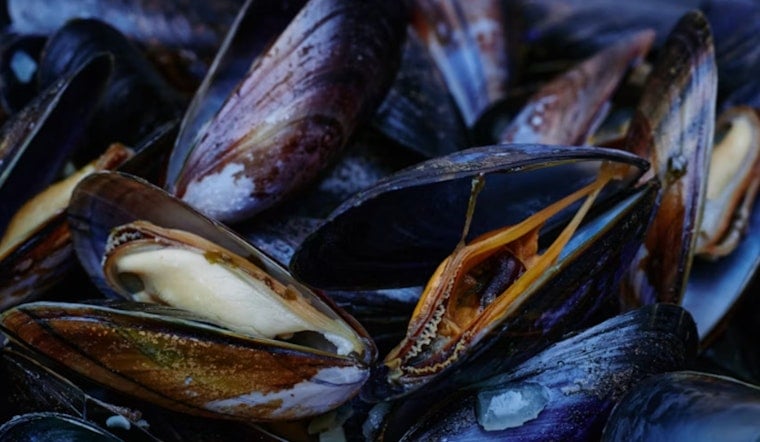
Lake Tahoe’s aquatic bouncers at the Meyers boat inspection station stopped a vessel bound for the lake last week and found four golden mussels clinging to the hull. The boat, which had recently been in the Sacramento area, is now being held under watch by the California Department of Fish and Wildlife while agencies complete decontamination and follow-up inspections. The discovery is the latest close call for Tahoe’s inspection program as officials work to keep the prolific invader out of the basin.
According to The Sacramento Bee, Tahoe Regional Planning Agency officials said the mussels were discovered during an aquatic invasive species inspection at the Meyers station. The outlet also reported that authorities have intercepted four boats this season with invasive mussels onboard, three carrying zebra mussels and one with golden mussels.
How Inspectors Stop The Invaders
To keep unwanted hitchhikers out of Tahoe, agencies require mandatory inspections and, for boats arriving from other waterways, a full decontamination before launch. As Tahoe Boat Inspections explains, that process can include opening hatches, checking anchors and blasting high-temperature, high-pressure water over the vessel to kill any organisms trying to catch a free ride. Program managers say decontamination remains their most effective tool to keep invasive mussels from reaching Tahoe’s famously clear water.
Where The Mussels Came From And Why They Matter
Golden mussels were first detected in North America in the Sacramento-San Joaquin Delta in October 2024. The California Department of Fish and Wildlife reports that the species can form dense encrustations that damage water infrastructure, shift food webs and displace native species. That vulnerability is driving agencies around the region to step up inspections, quarantine procedures and public outreach.
“Boaters and paddlers have a key role in protecting the waters they enjoy,” said Dennis Zabaglo, aquatic invasive species program manager, in a statement from the Tahoe Regional Planning Agency. The Tahoe Regional Planning Agency said new protocols and fee adjustments are intended to fund mandatory decontaminations, keep the lake open to recreation and lower the risk of an invasion.
What Boaters Need To Know
All motorized vessels must be inspected and decontaminated before launching in Lake Tahoe, with station hours and appointments posted by the inspection program. According to Tahoe Boat Inspections, boaters who arrive Clean, Drain, Dry can save on decontamination fees and move through stations faster at Meyers, Alpine Meadows and Spooner Summit. Non-motorized craft should also be cleaned, drained and dried, and can use waterless cleaning machines at popular launch spots.
Legal And Regulatory Context
The state moved quickly after golden mussels were detected in the Delta. The Fish and Game Commission adopted emergency regulations in December 2024 to add golden mussel to California’s restricted species list, which effectively prohibits live importation, transport and possession. The commission later extended those emergency rules while agencies coordinate surveillance and enforcement, according to California Fish and Game Commission materials.
Officials say the recent intercepts show the inspection network is working, but warn that the window for prevention is narrow as warmer weather and boating traffic increase. The Tahoe Regional Planning Agency says inspectors will continue holding and decontaminating suspicious vessels while urging boaters to Clean, Drain and Dry before they move between waterbodies.





