

























































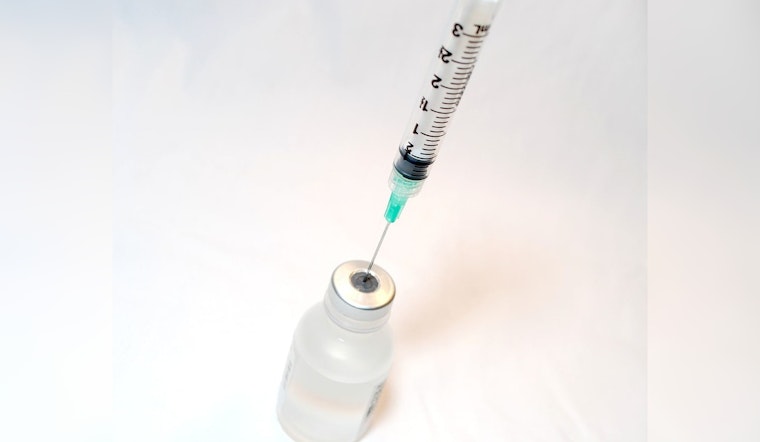
A vaccinated adult visitor who spent time on Oʻahu and Hawaiʻi Island has tested positive for measles, according to state health officials, who have now flagged several airport and public locations where others may have been exposed between Feb. 26 and March 4. The Hawaiʻi Department of Health says the traveler is recovering at a private residence, and that flight alerts and direct outreach to known contacts are already in motion. Unvaccinated people who were at any of the listed spots are being urged to watch for symptoms and call a healthcare provider if they start to feel sick.
State Epidemiologist Dr. Sarah Kemble told Hawaii News Now that crowded visitor hubs like Hawaiʻi Volcanoes National Park can raise eyebrows for disease investigators, even if the open air helps dilute risk. “It’s a very highly trafficked area,” Kemble said, noting that her team is working to track down and notify people who may have crossed paths with the traveler.
Where exposures occurred
According to the Hawaiʻi Department of Health, possible exposure locations on Oʻahu include Daniel K. Inouye International Airport - specifically the A gates and baggage claim area - on Feb. 26, as well as Terminal 1 check-in and A-gate areas on March 3 and 4. The traveler also visited the Lāʻie Hawaii Temple on Feb. 27.
On Hawaiʻi Island, the department lists Hilo International Airport on March 3 and 4, along with Hawaiʻi Volcanoes National Park and Hilo Siam Thai restaurant, both on March 3.
Symptoms, incubation and protection
Measles typically starts off looking suspiciously like a bad cold: fever, cough, runny nose and red, watery eyes. A rash usually shows up three to five days after those first signs. Most people who catch measles develop symptoms about seven to 14 days after they are exposed. Infected individuals are generally contagious from four days before the rash appears through four days afterward, and the virus can linger in the air for up to two hours, which is why health officials are especially wary of busy terminals and indoor spots.
The strongest protection is the standard two-dose MMR vaccine schedule - the first dose at 12 to 15 months of age and the second between 4 and 6 years - according to the CDC.
What officials are asking people to do
The Hawaiʻi Department of Health is urging anyone who is unvaccinated and was at the listed sites to contact their healthcare provider right away. An MMR shot given within 72 hours of exposure may prevent measles or blunt how severe it becomes, and immune globulin may still help if given within six days. People who already have symptoms are being told to isolate and call ahead before going to a clinic, urgent care or ER, so providers can take precautions.
Questions can be directed to the DOH Disease Reporting Line at 808-586-4586 or the Disease Investigation Branch at 808-586-8362.
Why this matters
This single travel-related case lands at a time when measles is climbing nationally, with more than 1,100 confirmed U.S. cases reported in 2026 as of late February. The situation highlights how one infected traveler can set off a cascade of local exposure alerts. Health officials say most recent measles infections have been in people who are not vaccinated, reinforcing the department’s push for residents and visitors to stay current on their shots, according to the CDC.




.jpg)