

























































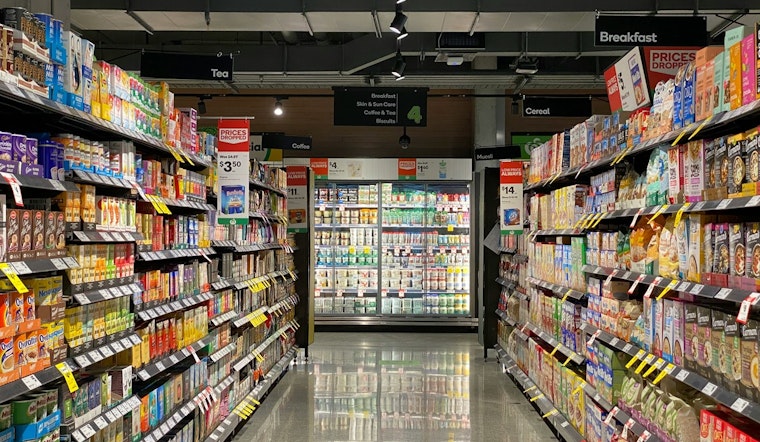
At a small Garner pantry this month, volunteers are stuffing bags a little fuller and a lot faster as more Wake County families show up for emergency food. Rising grocery bills and higher transportation costs are pushing some households, including seniors and working parents, into new or deeper need. Local organizers say the demand is climbing even as donations struggle to keep pace, stretching both budgets and volunteers.
Why prices are rising
Wholesale inflation has picked up speed in recent months, and that pressure is rolling straight into grocery aisles and pantry spreadsheets. According to the Bureau of Labor Statistics, the Producer Price Index for final demand rose 0.7% in February and was up 3.4% year‑over‑year, the largest 12‑month advance since February 2025. That kind of jump, combined with higher energy and transportation costs, makes it more expensive for pantries to purchase basics and fresh produce.
What pantries are seeing
Community of Hope Ministries in Garner is feeling that squeeze up close. As reported by WRAL, the pantry served 597 households in February and handed out enough groceries for roughly 46,137 meals that month. Executive Director Amy White told WRAL that rising farm and fuel costs "will trickle down to us and our ability to buy retail," a reality that leaves staff counting every dollar and every can.
How it hits the grocery aisle
The wholesale price hikes are especially rough in the produce section, where many pantries try to offer healthier options. In its February report, the Bureau of Labor Statistics noted a nearly 49% jump in fresh and dry vegetable prices and about a 10% rise in fresh fruit prices. Pantry leaders say those numbers translate into fewer fresh items per bag and a bigger share of their budgets going to staples they now have to buy at full retail.
Neighbors and clients
For clients, the impact shows up one grocery trip at a time. "When I come [to Community of Hope Ministries], everything in stock is what I like," 78‑year‑old Barbara Winston told WRAL, explaining that she has relied on the pantry for more than a decade. Another longtime user, Jen Norton, said the pantry helped carry her family through medical emergencies and praised the steady support from the local community.
Where to find help or give
Residents looking for food assistance can turn to the Food Bank of Central & Eastern North Carolina, which maintains a searchable network of pantries, mobile markets and county-level hunger data. Per the Food Bank's local resources, roughly 12% of Wake County residents are food insecure, a figure that partners say underscores the ongoing need and the importance of both monetary donations and volunteers, according to Food Bank of Central & Eastern North Carolina. Organizers add that cash gifts often go further than donated goods because they allow pantries to buy culturally appropriate fresh items and respond quickly to specific shortages.
Volunteers and staff say they will keep showing up, but they warn that rising wholesale and transportation costs mean local pantries will need more funding and community support to keep meeting demand. For now, leaders like Amy White are focused on stretching every donation and keeping the pantry doors open while prices keep climbing.





