

























































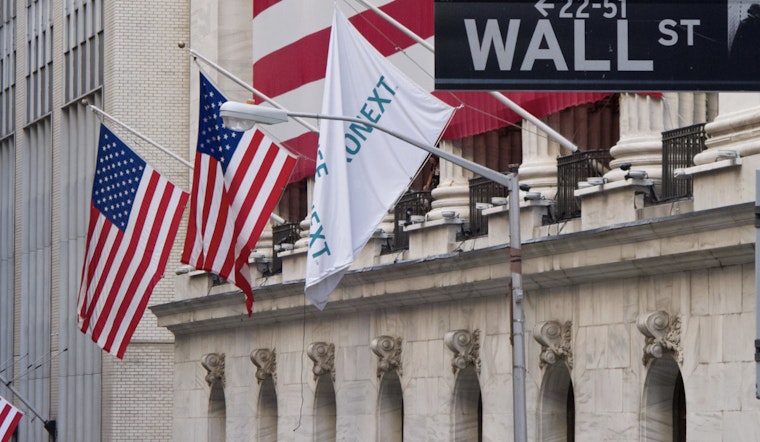
Pump-and-dump stock schemes have exploded over the past year, and a lot of New Yorkers are finding out the hard way what it means to be left holding the bag. Traders in private chat groups say they have watched tens of thousands of dollars disappear after self-described gurus on encrypted apps steered them into thinly traded stocks. Prices spike, trading halts kick in, and by the time the dust settles, many small investors are stuck at the bottom of the chart.
Regulators and law enforcement say the playbook looks a lot like old boiler-room scams, only now it is supercharged by slick social ads, fake celebrity endorsements and closed-message chains that feel private and trustworthy until the floor drops out.
From the Nasdaq to the New York Stock Exchange, complaints about these schemes have surged. According to CBS News New York, the FBI recorded roughly a 330% jump in pump-and-dump reports over the last year. Regulators say the danger is especially high in low-float microcap stocks, where coordinated buying can create huge, artificial moves that vanish once insiders dump their shares. Recent oversight material and guidance from FINRA warn that encrypted messaging apps and paid social media ads are now routine tools for recruiting victims.
One case highlighted in that reporting centers on a WhatsApp "professor" who urged followers to pile into Masonglory Limited (MSGY). The sudden rush sent the ticker soaring, then crashing so quickly that Nasdaq triggered an automatic freeze. Many traders never got the chance to exit. "My $80,000 stake went down to $10,000," a trader told CBS News New York. The FBI has opened victim-outreach channels and is collecting reports in pump-and-dump investigations, including questionnaires for people who believe they were targeted.
How the pitch works
Scammers typically start with polished social ads or convincing impersonations, then funnel would-be investors into private chats on WhatsApp, Telegram or Discord. Inside those groups, urgency, cherry-picked screenshots and supposed insider tips combine to create heavy FOMO and a sense that you are getting access to something exclusive.
A recent class-action complaint claims that Meta’s ad tools and WhatsApp groups were used to recruit investors into pump-and-dump operations, according to ClassAction.org, and local reporting describes victims being steered from online ads into closed groups. Those private channels make the campaigns feel legitimate while also making it much harder for outsiders or exchanges to spot manipulation before the crash.
Legal consequences
Pump-and-dump schemes violate federal securities laws and can lead to civil enforcement by the SEC, along with criminal prosecution by the Department of Justice and the FBI. Federal authorities recently coordinated a high-value operation that resulted in seizures and indictments tied to an alleged pump-and-dump investment fraud, as outlined by the SEC. Investigators say victims who keep detailed records and report losses quickly give law enforcement a better chance to trace funds and build cases that can support restitution.
How to protect yourself
Watch for some common red flags: unsolicited invites to private trading groups, pressure to act immediately, unfamiliar tickers with very thin volume and any request to move a conversation off a public platform and into a closed chat. FINRA advises investors to ignore tips from strangers, verify registrations on BrokerCheck and avoid any offer that requires you to buy inside a private group.
If you believe you have been scammed, federal and state officials urge you to file a report with the FBI’s Internet Crime Complaint Center at IC3, notify your broker and contact your state securities regulator.
For New York traders still scrolling through trade histories and chat logs, experts say the first concrete steps are to preserve screenshots, timestamps and payment records, then share them with investigators and your brokerage firm. With complaints climbing, federal and market regulators say reporting matters. The more victims who come forward, the better the chances of mapping networks and shutting down repeat offenders.



