

























































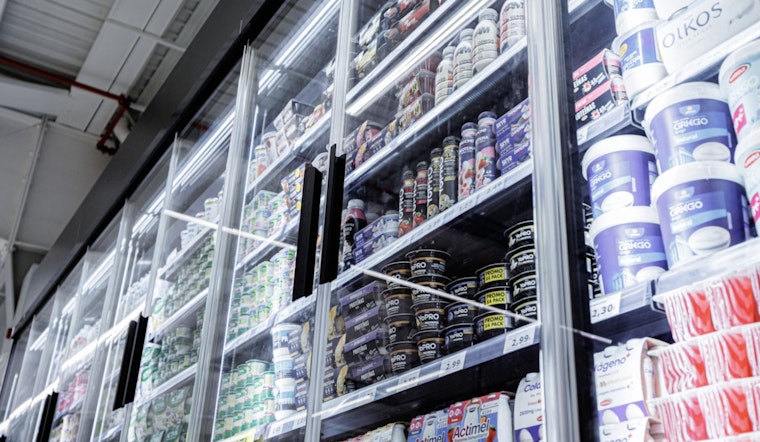
Some metro Phoenix gas stations have been serving up a lot more than fuel, and not in a good way. Maricopa County health inspectors flagged six stations and convenience markets in late February after finding broken refrigeration units and plumbing problems that left dairy, sandwiches and other cold foods sitting at unsafe temperatures. Inspectors ordered immediate fixes in some cases and scheduled follow-ups in others as they documented the most serious "priority" food-safety failures. For Valley shoppers who grab ready-to-eat snacks at the pump, it is a clear reminder to check packaging and temperature before digging in.
As reported by The Arizona Republic, county inspection logs show that six gas stations and markets were cited for priority violations during routine checks, with inspection dates listed as Feb. 23. According to those records, inspectors found cold foods such as dairy items, sandwiches and burritos held too warm, along with broken refrigerators and plumbing problems at several locations.
How the county defines the risk
Maricopa County Environmental Services regulates convenience stores and gas stations that prepare or sell food under the same rules that apply to restaurants and provides guidance for operators on its website. The county classifies "priority" violations as infractions that directly raise the risk of foodborne illness, such as failures in time and temperature control, and inspectors often require affected food to be discarded or fixed on the spot. You can review individual inspection reports in the county's online inspection portal.
What shoppers should watch for
The Arizona Republic highlighted on-the-ground examples from the county reports, including milk held too warm and sandwiches stored outside safe temperature ranges. Shoppers picking up prepared foods at convenience stores are generally safer sticking with factory-sealed items or asking staff when refrigerated foods were last stocked. According to the Centers for Disease Control and Prevention, perishable food that has been left at unsafe temperatures should be thrown away rather than eaten. If you suspect foodborne illness after eating a prepared item, health officials advise reporting it to your local public health agency.
Not an isolated problem
The gas-station violations followed other county inspections this month that cited grocery stores for issues such as moldy produce and unrefrigerated eggs, pointing to uneven compliance at some retail food outlets. Hoodline previously covered similar grocery inspection failures in early March, with a roundup that echoed the county records and underscored how routine checks and basic staff training can make a real difference for shoppers.





