

























































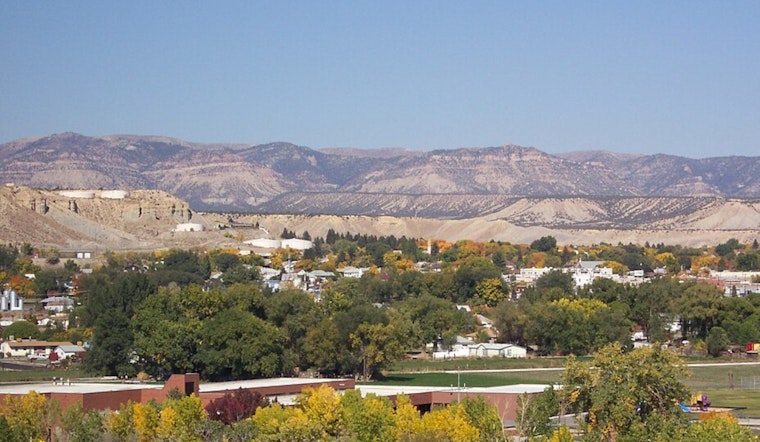
Utah's U.S. senators have nudged a long-running Price City water project closer to reality, moving a bill through a key Senate committee that would shift roughly 124 acres of federal land to the city. The Upper Price River Watershed Project Act of 2025 is designed to let Price build the Lower Price River Reservoir, a facility that local planners argue is crucial for boosting water storage and delivery in a region that has been staring down long-term drought for years. Committee negotiators also tucked in a reversionary clause so the land snaps back to federal ownership if the city uses it for anything not authorized in the act.
As reported by Deseret News, Sens. Mike Lee and John Curtis first introduced the measure last October, but it sat in the Senate Energy and Natural Resources Committee until lawmakers agreed on the added safeguard. The earlier version drew extra attention because it did not include a payment or land swap, which is often part of federal land conveyances. According to the paper, the committee advanced the updated bill unanimously, with Sen. Martin Heinrich saying he was pleased to see it move once the protections were written in.
What the bill would do
S.3004 directs the Secretary of the Interior to transfer about 124.23 acres of Bureau of Land Management land to the City of Price “to be used by the City for public purposes,” tying the conveyance to a BLM map dated May 8, 2025 that outlines the parcels in question. The bill text and official status are posted on Congress.gov, which lists the measure as introduced on Oct. 14, 2025, and notes committee activity on Feb. 12.
Local water plan and reservoir
Offices for the senators describe the land transfer as the missing piece Price needs to build the Lower Price River Reservoir, pitched as a roughly 7,000-acre-foot project that would expand local storage and allow Consumers Road to be rerouted around the site. In a joint announcement on the Senate Energy Committee's website, Lee and Curtis cast the bill as a homegrown drought response that follows years of local planning and engineering work. That release, posted by the Senate Committee on Energy and Natural Resources, quotes Lee saying, “The people of Price have taken the steps necessary to secure their community’s water needs.”
Committee added a reversion clause
The committee's rewrite added language that if Price uses the transferred land for any purpose not authorized in the act, “all right, title, and interest in and to the Federal land shall revert to the United States.” That tweak helped the bill clear the panel by addressing concerns from Democrats and land protection advocates who were wary of unconditional land giveaways. At the Feb. 12 hearing, the Bureau of Land Management testified that it supports the project's stated water storage goal while flagging several technical issues that would need to be handled as the project moves forward. That testimony is included in the BLM's official hearing record.
Precedent and pushback
Conservation groups have not exactly been cheering from the sidelines. They point to a previous conveyance in the same congressional cycle, the Brian Head Town Land Conveyance Act, as a warning sign and argue that the Price bill fits a broader pattern of tight, project-specific transfers that often debut without what they see as full statutory safeguards. Reporting from E&E News details critics' worries that transfers with no payment or land swap could pave the way for more such deals. The Southern Utah Wilderness Alliance and allied organizations have urged lawmakers to lock in firm reversion clauses and insist on a robust public process, as outlined in a coalition letter and accompanying statements from SUWA.
What's next
With the committee vote finished, S.3004 now heads toward possible consideration by the full Senate. Congress.gov still lists the bill's overall status as introduced, with committee work recorded on Feb. 12. In parallel, the USDA's Natural Resources Conservation Service is carrying out NEPA scoping and collecting public comment on the Upper Price River Watershed environmental review, a process that will influence whether, and under what conditions, the reservoir can actually be built. The NRCS project page includes draft materials and contact details for residents who want to weigh in.
For Price, a small city whose economy and farms rely heavily on steady river flows, the land transfer could translate into a more predictable water supply and fewer painful cutbacks in dry years. For skeptics, the bigger question is whether Congress and federal agencies can protect the broader public interest while still letting local communities pursue their own fixes. What is clear for now is that the bill has cleared a major committee hurdle, and the next rounds of debate, votes, and environmental review will determine what the final version looks like and whether the reservoir moves from the plan set to a construction site.





