

























































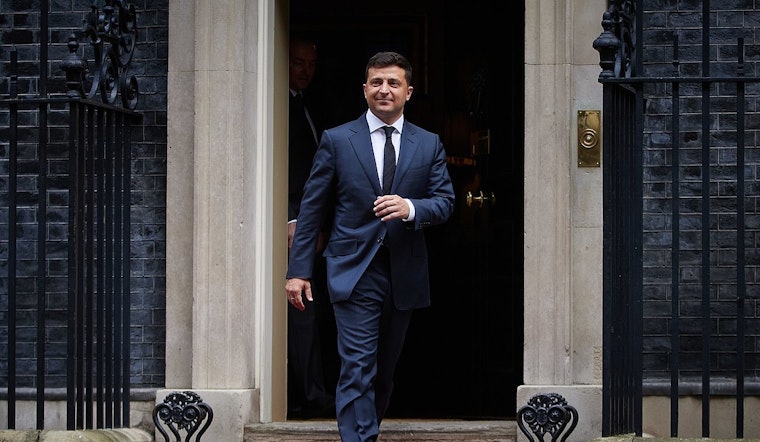
Ukrainian President Volodymyr Zelenskiy says Kyiv has rushed interceptor drones and a squad of drone specialists to U.S. military bases in Jordan, answering a request from Washington to help guard against incoming attacks. He said the first unit was dispatched almost immediately and that more Ukrainian experts are slated to fan out across parts of the Middle East in the coming days.
What Zelenskiy Told The New York Times
As reported by Reuters, Zelenskiy told The New York Times that Kyiv had sent “interceptor drones and a team of drone experts to protect U.S. military bases in Jordan,” and that the Ukrainian team left the day after a U.S. request came in. According to Reuters, the move is meant to plug holes in regional defenses as Gulf states and U.S. forces contend with repeated attacks from Iranian-made Shahed drones.
Why Washington And Gulf Capitals Are Listening To Kyiv
Those appeals for help follow reporting that the United States and several Gulf countries have been seeking Kyiv’s hard-earned playbook for countering Iranian-style drones, according to The Guardian. Zelenskiy has stressed that any support for partners abroad cannot come at the expense of Ukraine’s own air defenses, and has suggested it could be paired with reciprocal supplies of air-defense missiles.
How Ukraine's Interceptors Fit Into The Fight
Ukraine has become a test lab for cheaper interceptor drones and sharp-edged electronic-warfare tactics that have shown they can blunt Shahed-type strikes, drawing keen interest from foreign militaries, Defense News reports. These homegrown interceptors can cost a fraction of a Patriot missile per shot and are viewed by some analysts as a practical stopgap, a way to stretch defenses while the United States and its allies race to rebuild expensive missile stockpiles.
Diplomatic Tradeoffs And Risks
Early accounts also describe Washington and several Gulf partners weighing whether to buy Ukrainian-made interceptors or tap more deeply into Kyiv’s drone know-how, while U.S. officials stay tight-lipped on any operational details. The Pentagon declined to comment in some of those reports, according to Arab News. Kyiv, for its part, has signaled that any transfers or deployments will be carefully managed so they do not sap Ukraine’s own front-line strength, a stance that keeps timelines, training plans and logistics deliberately fuzzy.
For U.S. decision makers and troops on the ground, the episode underscores a real-time scramble: allies are hunting for affordable, battle-tested ways to knock down drone swarms, while leaning on Ukraine’s painful experience raises thorny political and training questions. Officials on both sides appear to be inching forward, trying to juggle urgency, secrecy and the optics of Ukrainian specialists operating in an already volatile corner of the world.



_03.jpg)