

























































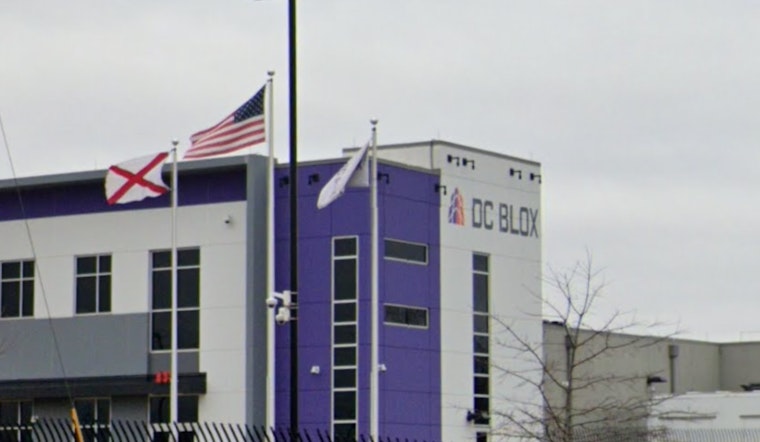
DC BLOX wants to drop a massive data center campus onto Indianapolis’s east side, and it has started the formal process to make it happen. The developer has filed paperwork to build a three-building data hub inside the Thunderbird Commerce Center, describing a multi-phase buildout that could total about $2 billion in investment and bring hundreds of construction jobs, along with a few dozen permanent high-wage roles once everything is up and running. The request, which seeks a variance of use from city planners, is headed for public review in mid-May.
What’s proposed
According to filings from DC BLOX, the campus would feature three separate buildings: a one-story structure of roughly 80,000 square feet, a two-story building of about 140,000 square feet and another two-story building of about 190,000 square feet. Construction would be staggered, with the first building projected to take around 24 months to complete and the remaining two finishing within roughly four years. The site is listed as 305 Fintail Drive, inside the Thunderbird Commerce Center.
Site history and neighborhood
The parcel sits within Thunderbird Commerce Center, a 150-acre industrial redevelopment of the former Ford/Visteon campus that has been marketed for logistics and industrial users, as the Indianapolis Business Journal reported. The broader project has already landed distribution and manufacturing tenants and has been promoted as a future engine of jobs and tax revenue for the east side. The DC BLOX campus would occupy just one parcel inside that larger master plan.
Power, cost and jobs
The filing pegs total capital investment, including both DC BLOX’s work and tenant equipment, at roughly $2.0 to $2.2 billion. It estimates about 600 temporary construction jobs over the buildout period and around 35 permanent, high-wage operations positions once the campus is fully built.
In a companion set of promises filed with the city, DC BLOX commits to closed-loop cooling and explicitly bans cryptocurrency mining at the site. The company also pledges to cover the cost of building any new substation and related generation or distribution infrastructure needed to power the campus. The commitments further limit when generators can be tested and require screening, landscaping and noise monitoring in an attempt to soften the project’s impact on nearby neighbors.
Regulation and community concerns
State policy has shifted recently so that large new electricity users shoulder more of the cost to hook into the grid. Indiana House Republicans describe how House Enrolled Act 1007 and related regulatory settlements now require big new loads to make substantial financial commitments so grid upgrades are not pushed onto other customers’ bills. The regional utility says its planning shows data center growth can be handled without raising rates for existing customers, according to a statement from AES Indiana.
Residents in central Indiana have not exactly rolled out the red carpet for every large data proposal. Concerns about secrecy around deals, water use and power demand surfaced in previous fights over similar projects, as WFYI documented. DC BLOX’s draft commitments appear tailored to head off at least some of those flashpoints.
Next steps
The petition is set for a public hearing on May 14 at 1 p.m. in the City-County Building, according to reporting by IndyStar. A hearing examiner will take public testimony and then send a recommendation to the Metropolitan Development Commission, the nine-member board that reviews zoning and variance requests in Marion County, as Mirror Indy explains. Even if the MDC signs off on a variance, DC BLOX would still need building permits and other regulatory approvals before any shovels hit the ground.
What to watch
Expect the May hearing to center on power, noise and traffic, with neighbors and advocates lining up on both sides of the microphone. A key subplot will be whether city staff recommends tying any approval tightly to the company’s written commitments. Recent staff reports in other data center cases show planners frequently call for developer-funded substations, strict noise caps and limits on water use as conditions of approval, something a report from the City of Indianapolis illustrates.
Those conditions are likely to be the main tools for trying to balance neighborhood concerns with the hefty economic pitch behind the $2 billion campus. All eyes now turn to the May hearing to see whether DC BLOX’s promises are enough for planners, the utility and east side residents.





