

























































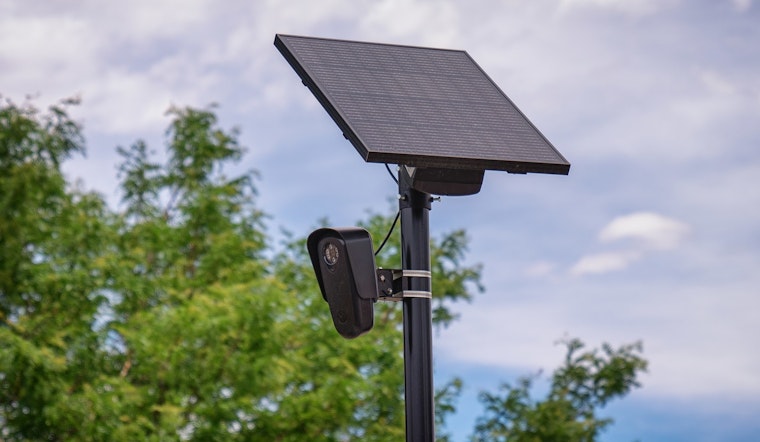
After hours of tense testimony and a packed chamber full of critics, Oshkosh's Common Council voted Tuesday night to keep the city's Flock automated license-plate readers running for at least one more year. The council scaled back a proposed two-year renewal and instead approved a shorter deal on a 5-2 vote. More than two dozen residents turned out to argue against the cameras, and several opponents left the meeting before the final decision.
As reported by WBAY, the council cut a two-year, $163,500 contract proposal down to a one-year agreement expected to cost about $81,750 if the figures stay the same. WBAY noted that the debate stretched on for hours, with both supporters and critics delivering emotional public comments before the vote.
What supporters and critics said
Backers of the system argued that the cameras act as a force multiplier for investigators, helping officers quickly flag stolen vehicles and locate suspects tied to serious crimes. Opponents countered that the network poses an unacceptable risk to privacy and civil liberties without much tighter safeguards on how the data is used. As NBC26 reported, council members repeatedly framed the clash as a choice between the perceived public-safety benefits and the public's trust in how surveillance tools are deployed.
Police say cameras helped nab a suspect
Local police pointed to a recent high-profile arrest as proof that the cameras can deliver. According to the Oshkosh Northwestern, investigators said Flock data helped Oshkosh detectives and U.S. Marshals track down a Milwaukee homicide suspect who was arrested in Oshkosh on April 15. Oshkosh Police Chief Dean Smith has said the technology produces actionable vehicle evidence and has helped improve the department's clearance rates in certain investigations.
Local misuse cases fuel privacy fears
Critics repeatedly cited recent Wisconsin cases in which officers allegedly misused automated license-plate readers to monitor private individuals, arguing that those incidents show what can go wrong without strict controls. The Menasha officer prosecution, where prosecutors say an officer used Flock cameras to locate a woman's car, was detailed by WBAY. Separate allegations involving a Milwaukee officer were reported by the Wausau Pilot & Review.
Oversight and transparency on the table
To address those concerns, the council not only shortened the contract to one year but also discussed setting up a committee to scrutinize how the cameras are used and how data is shared with other agencies, according to the Oshkosh Northwestern. Flock's public transparency portal for Oshkosh lays out department policies and system capabilities, and local coverage says the city has installed roughly two dozen stationary ALPR units since 2022. The portal illustrates how license-plate and vehicle images are captured and stored for investigative searches (Flock Safety transparency portal).
Legal questions remain
Legal and civil-liberties advocates say that before Oshkosh even thinks about a longer renewal, it should write tougher auditing rules, tighter access limits and clearer data-retention timelines directly into any future contract. As NBC26 reported, recent criminal charges that allege improper officer searches helped fuel residents' calls for stronger oversight at the April meeting.
For now, the one-year deal keeps the cameras online while giving the council time to hammer out that review process. Residents and watchdog groups have made it clear they plan to keep a close eye on any new committee and the next round of contract language as the city tries to walk the line between crime-fighting technology and community privacy.





.jpg)