

























































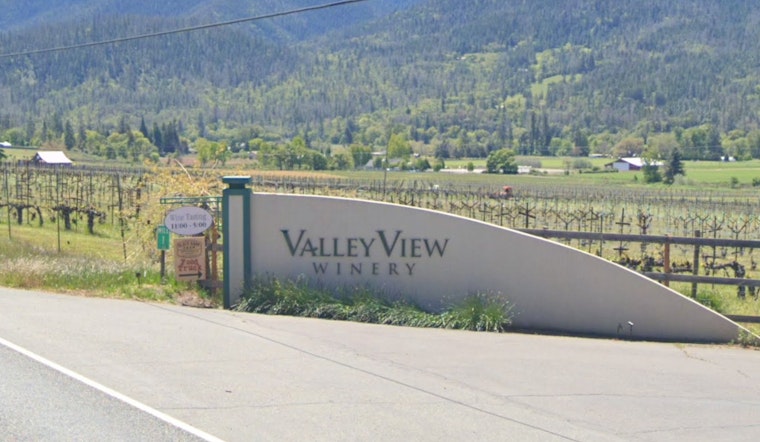
What started as a family fight over Valley View Winery ended with a legal fire drill and a massive bill. Magistrate Judge Mark D. Clarke has thrown out Joanne Couvrette’s long-running lawsuit over control of the southern Oregon winery and slapped her lawyers with hefty sanctions after finding that multiple court filings leaned on made-up law, courtesy of generative AI.
In a sharply worded opinion, Clarke found that three summary-judgment briefs were riddled with bogus citations, including references to fifteen non-existent cases and several fabricated quotations. Those filings were struck and the plaintiffs’ claims were dismissed with prejudice, according to WebsiteDC. The opinion notes that the false authorities appeared in briefs filed between January and May 2025 and that the plaintiffs’ attempted fixes were mostly cosmetic. Clarke concluded that the misconduct was too serious to be cured with simple edits and warranted ending the case outright.
The financial fallout landed later. After reviewing the defendants’ amended bill of costs, the court found $94,704.38 to be a reasonable total and split responsibility between the two sanctioned lawyers. Local counsel Timothy Murphy was tagged with 15 percent, about $14,205.66, while pro hac vice counsel Stephen Brigandi was assigned the remaining 85 percent, about $80,498.72. The same order also wrapped up additional fee claims and costs tied to the tainted briefing, according to Justia.
Clarke described the episode as a “notorious outlier in both degree and volume,” and local counsel for the winery says the hit may rank among the largest sanctions ever tied to fabricated citations in U.S. courts. Attorney Sandra Gustitus of Chenoweth Law Group in Portland told reporters that the size of the award is a loud warning about how expensive AI-related missteps can become for litigators, according to KGW.
Why AI hallucinations are a legal risk
Oregon courts are not treating AI “hallucinations” as quirky tech glitches. They have started turning them into predictable penalties through a per-infraction formula that assigns a set dollar amount to each fabricated citation or quotation. Commentators note that the Valley View ruling sits inside a broader enforcement wave that pushed AI-related sanctions into six-figure territory in the first quarter of 2026. For a deeper look at how these orders are stacking up, see analysis from Ropes & Gray and reporting collected at JDSupra.
Legal implications for lawyers and clients
Clarke’s opinion drives home a blunt point for the profession. Under Rule 11 and local professional-conduct rules, lawyers are on the hook for what they file, even when AI does some of the drafting or research. The judge went a step further by directing the clerk to send a copy of the sanctions order to the Oregon State Bar, putting possible disciplinary review on the table.
That mix of monetary sanctions, fee shifting and potential bar scrutiny is already reshaping internal law firm practices. Many firms are tightening verification protocols, requiring that citations be checked against services like Westlaw or Lexis, and treating AI-generated text as an unverified draft until a human attorney signs off. The message: “The bot did it” is not a defense.
What comes next
Couvrette has signaled that she may appeal, according to KGW, although the family battle over Valley View Winery is, for now, effectively finished. The ruling is already circulating as a cautionary precedent in legal circles. Expect courts and bar authorities to keep refining how they treat AI in filings, and expect litigators to add more verification steps if they want to avoid starring in the next sanction order.





