

























































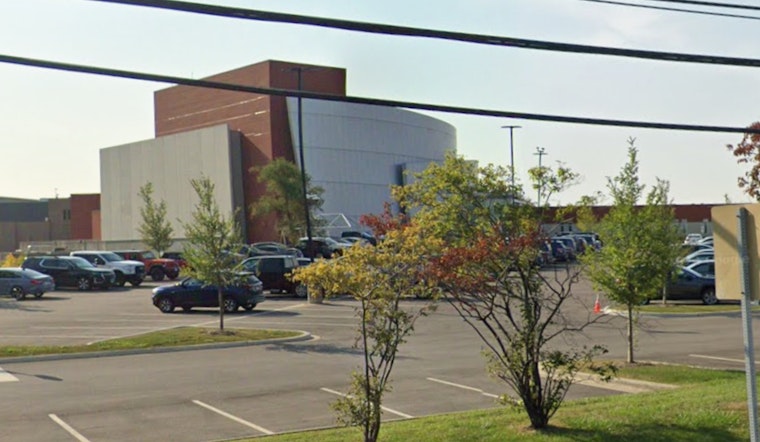
Lake Zurich High School is dealing with a deeply unsettling tech-age crisis, as police and school officials investigate reports that someone used artificial intelligence to create pornographic images of students and share them with others.
The district says it first learned of the situation in late February and immediately notified affected families and law enforcement. Superintendent Dr. Kelley Gallt labeled it a “disturbing incident” with a “profound impact” on students, their families and the broader learning community.
According to CBS Chicago, Lake Zurich police are investigating the possible transmission of lewd material, including AI-generated content, among students. Because minors are involved, police have declined to share many specifics, and investigators have not publicly said how many students may be impacted or whether any charges have been filed. Families were alerted after the district received the initial complaint.
Per Lake Zurich High School, District 95 first received a report about the possible use of AI to create pornographic images in late February and quickly contacted the families of impacted students. In a March communication, the district stressed that possessing explicit images of minors is illegal in Illinois, urged students to save any evidence and report incidents to a trusted adult, and outlined plans for school-based lessons on digital citizenship that address the legal and emotional fallout of sharing images.
Legal framework and penalties
According to Illinois Attorney General's Office materials, HB4623 was signed in August 2024 to make clear that AI-created child sexual abuse images are covered under state law and to prohibit certain nonconsensual sharing of AI-generated sexual images. The criminal statute that governs child pornography, Illinois General Assembly, explicitly applies to depictions made “by computer” and carries felony penalties for possession, production or distribution. In other words, images produced or altered by AI can still trigger criminal liability in Illinois.
School response and next steps
District leaders say they are working with law enforcement while trying to limit harm inside the school community and give families clear information and support. According to Lake Zurich High School, students in grades 9 through 12 were scheduled for assemblies on March 18 focused on online safety, and staff received talking points for follow-up conversations in classrooms and smaller groups.
Officials emphasized three key steps for students: do not forward explicit or questionable images, preserve evidence if they receive something inappropriate and report it to a trusted adult so that the situation can be handled through proper channels.
A wider trend
Incidents like this are cropping up in schools across the country as easy-to-use generative AI tools spread faster than policies can catch up. CBS Chicago has reported on similar cases in other Illinois districts and noted that those episodes helped spur the 2024 update to state law. District responses vary, but the pattern has increased pressure on schools to beef up digital literacy education and tighten reporting procedures for online harassment and exploitation.
How parents can help
Experts advise parents and caregivers to treat any distribution of explicit images involving minors as a law enforcement matter. That means not forwarding or sharing the material, preserving screenshots and any available metadata and contacting local police.
The district’s parent resources direct families to tools such as the Cyber Safety Project’s “AI Deepfakes Parent Toolkit” and additional online safety guides, which are available from the Cyber Safety Project. For urgent concerns about suspected child sexual abuse material, families can submit a report to the National Center for Missing & Exploited Children CyberTipline at report.cybertip.org or call 1-800-THE-LOST.



