

























































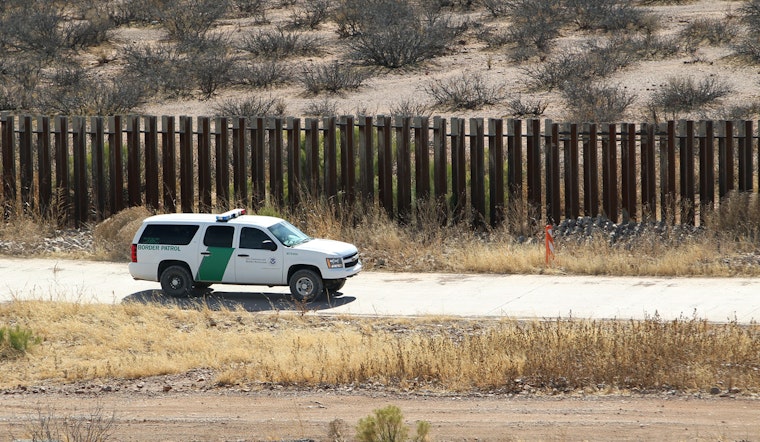
Federal prosecutors in the District of Arizona say a weeklong enforcement push along the state’s desert corridors and highways ended with criminal charges against 226 people, a brisk tally even by busy border standards.
From March 28 through April 3, 2026, the U.S. Attorney’s Office filed 117 illegal reentry cases, 95 illegal entry cases and 14 smuggling prosecutions, according to Tampa Free Press. The outlet pulled together court filings and agency reports that lay out where and how agents made arrests during the concentrated sweep.
Operation Take Back America And Federal Partners
Officials say the prosecutions are part of the Department of Justice’s Operation Take Back America, a nationwide effort that leans on OCDETF and Project Safe Neighborhoods resources and brings in help from ICE, HSI, U.S. Border Patrol, the FBI and the DEA. The U.S. Attorney’s Office said in a press release that during the previous week, March 21 through 27, federal prosecutors in Arizona filed 256 immigration related cases, underscoring a run of back to back enforcement surges. U.S. Attorney’s Office, District of Arizona.
Examples From The Field
Court documents highlight a few desert chases that ended with criminal complaints. On April 1, authorities charged Porfirio Astorga Rivera after agents said they watched a group near Wellton being led through a gap in the border wall for a promised fee of $1,000 per person. In another case, agents said they found Idefonso Beltran Aispuro hiding in a tree between the Cabeza Prieta and Copper Mountains after he allegedly guided four migrants through the desert, according to Tampa Free Press.
Charges And The Law
Prosecutors typically rely on federal statutes such as 8 U.S.C. § 1325 (improper entry), 8 U.S.C. § 1326 (reentry of removed aliens) and 8 U.S.C. § 1324 (bringing in, transporting or harboring aliens), with penalties that increase when cases involve commercial gain, serious bodily injury or death. The statutory language is available at govinfo, LII/Cornell and govinfo.
Many of the new matters began as criminal complaints, which lay out allegations that will be tested in federal court. Every defendant is presumed innocent unless and until proven guilty, and officials say the weeklong blitz is one installment in a continuing enforcement campaign that will keep showing up in those weekly charging tallies.





.jpg)