

























































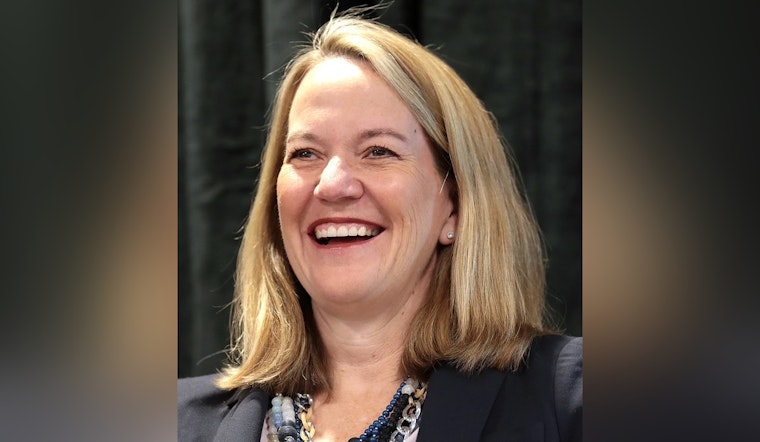
Arizona Attorney General Kris Mayes has struck a $7 million settlement with Arizona Public Service over the utility’s residential power disconnection practices, capping a high-profile fight over shutoffs during life-threatening heat.
The agreement combines direct payments, customer bill credits and a set of operational changes that state officials say are designed to cut down the risk of people losing power when temperatures soar.
What the settlement does
As reported by ABC15 Arizona, the deal resolves claims that APS violated the Arizona Consumer Fraud Act. In one package, it offers monetary relief, new consumer-protection programs and upgraded customer communications. The state says the changes are meant to shift shutoff policy away from a fixed calendar rule and toward one that responds directly to dangerous temperatures.
Key terms and money
According to the state's consent judgment, APS must pay $2,750,000 into the Consumer Protection / Consumer Fraud Revolving Fund and may pay up to $250,000 for the state’s attorneys’ fees.
The agreement also funds a $1,000,000 Arizona Consumer Assistance and Education Program, with at least $800,000 required to be applied as account credits for customers facing termination before Sept. 1, 2026. On top of that, APS must spend $3,400,000 on programmatic improvements and outreach tied to the new protections.
Background: the Korman case
The attorney general's action grew out of an investigation into APS disconnections during extreme heat, including the case of 82-year-old Katherine Korman. The state's complaint says APS remotely disconnected Korman's service on May 13, 2024, and that she was found deceased in her home six days later. Public reporting and medical examiner records indicate heat stress was listed among contributing factors.
Protections for customers
Under the consent judgment, APS must reinstate a voluntary 95-degree hold, meaning residential disconnections for nonpayment must be halted when the forecast for a customer’s location shows a high of 95°F or higher the following day. The utility is also required to maintain a 32-degree cold-weather hold on shutoffs.
APS must add text-message alerts for past-due and disconnection notices, expand its Safety Net program so designated third parties can receive advance warnings, and send annual cost-comparison letters to customers on certain frozen-rate plans. These operational changes are paired with the consumer credits and program spending described in the settlement.
Legal and enforcement notes
The settlement resolves the state's claims under the Arizona Consumer Fraud Act and includes monitoring and reporting requirements intended to let the Attorney General's Office track how credits and program funds are distributed. Attorney General Mayes said the deal puts protections in place so "no Arizonan should be put at risk because they cannot afford their electric bill," and her office will oversee implementation to ensure the relief reaches eligible customers.





_(cropped).jpg)