

























































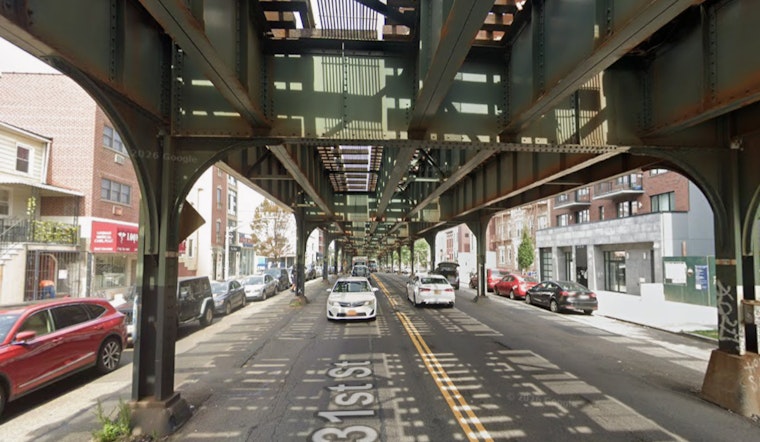
The fight over Astoria’s most talked-about stretch of pavement is back on. After months of backlash, court drama and street-level grumbling, Mamdani’s DOT is pushing a bolder fix: a protected bike lane running the full length of 31st Street, from Northern Boulevard down to 20th Avenue. The move reopens a neighborhood battle that began when a Queens judge ordered a partially installed lane ripped out, and when firefighters and some merchants warned the design could jam up their work. City officials insist the redo is about cutting crashes, while opponents say it still makes deliveries and emergency access a headache.
DOT proposes a full-length protected lane
Under the new plan, DOT would extend protected bike lanes along the entire 31st Street corridor, replacing an earlier design that stopped at 36th Avenue and Newtown Avenue, as reported by Streetsblog New York City. In a statement to the outlet, DOT Commissioner Mike Flynn said the redesign would “bring better organized traffic patterns” and carve out more space for people on foot. The push fits Mayor Zohran Mamdani’s broader goal of stitching together a network of protected bike lanes across Western Queens.
Judge halted the project last December
The last version of the lane did not just stall, it was ordered off the street. On Dec. 5, 2025, Queens Supreme Court Justice Chereé Buggs told DOT to stop work and remove the half-built lane, ruling that the agency had not completed required consultation and certification steps for certain street projects, according to QNS. The decision cited concerns from FDNY officials and nearby St. Demetrios School, and it gave the city 30 days to return 31st Street to its previous layout.
FDNY warns about emergency access
FDNY has been one of the loudest critics in the room. At a City Council hearing in February, FDNY Chief of Fire Operations Kevin Woods warned that some protected bike lane layouts “reduce the real estate in that street,” a line that quickly became a talking point for opponents, Streetsblog New York City reported. Woods later clarified that the department wants to work with DOT to sort out operational issues, not kill street safety projects outright.
DOT frames the change as a safety upgrade
City Hall’s line is that the do-over is about safety and process, not backing down. The Mamdani administration says it will restart the redesign from scratch to address the procedural gaps flagged by the court. In a January press release, NYC DOT said the corridor has seen roughly two traffic deaths and about 190 injuries since 2020 and promised to carry out the required Major Transportation Project consultations while also filing a notice of appeal.
The agency points to its own analyses of similar streets, which it says show that protected bike lanes on comparable corridors have reduced deaths and serious injuries overall by about 18 percent and cut pedestrian deaths and serious injuries by roughly 29 percent, a conclusion NYC DOT has repeated across various project pages and releases.
Local reaction remains split
On the ground, the neighborhood is still divided. Business owners and the 31st Street Business Association cheered the judge’s ruling last year, arguing the redesign would choke off parking and make deliveries harder. Safety advocates and several local electeds have pushed just as hard the other way, calling the protected lane non-negotiable. Council Member Tiffany Cabán has described the project as “essential” and warned that scrapping protections would put lives at risk. The political tug-of-war has been chronicled by local outlets such as QNS and in earlier neighborhood coverage.
Legal status and what’s next
For now, the court order is still the law on 31st Street. The injunction stays in place unless an appeals court overturns it, and at the time, the judge’s directive that DOT restore the old traffic pattern was widely noted, CBS New York reported. DOT says it will run the project through the full Major Transportation Project process this time, with fresh community outreach and updated drawings before any work crews return.
That sets up a familiar New York trade-off: more protected space for people walking and biking on a busy commercial strip, and a more complicated jigsaw puzzle for loading, parking and emergency vehicles. Expect a new round of public meetings, revised block-by-block plans and, quite possibly, more legal maneuvering as the city and Astoria try once again to square safety goals with how the street actually works day to day.





