

























































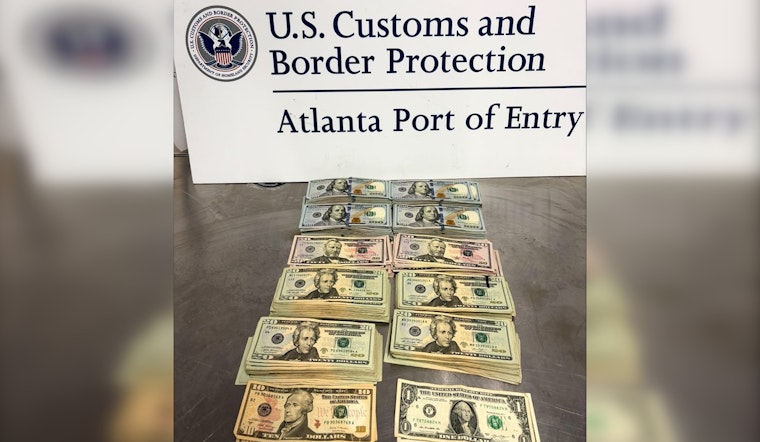
U.S. Customs and Border Protection officers at Hartsfield-Jackson say they have seized more than $372,000 in cash from 24 travelers since the start of the year, turning routine trips into very expensive lessons in federal paperwork. The single biggest haul was roughly $44,432 from a passenger headed to San Salvador. The string of seizures, mostly tied to failures to report sums over $10,000, is again stirring debate over how civil-forfeiture powers are used at the globe's busiest airport.
According to WSB-TV, CBP says the total includes an Indian citizen who had $32,700 seized on Jan. 31 and a family bound for Doha whose $30,417 was taken on Feb. 4 after the group initially declared only $6,000. WSB-TV reports that officers gave the family chances to correct their declaration before the cash was taken. In all, the station notes that 24 people at Hartsfield-Jackson failed to report amounts that triggered confiscations.
What the rules require
It is legal to carry any amount of currency across U.S. borders, but travelers must file a FinCEN Form 105 and declare any combined currency or monetary instruments over $10,000, according to U.S. Customs and Border Protection. The agency warns that failing to properly report currency can lead to seizure and civil or criminal penalties. For international departures and arrivals, CBP says travelers can submit the FinCEN form electronically or complete it at the port of entry.
How this fits a broader pattern
Federal audits and watchdog groups have repeatedly flagged concerns about airport cash seizures. A 2017 review by the DOJ Office of Inspector General found that in a sample of DEA seizures, only 44 of 100 advanced or were connected to a criminal investigation. The Treasury Inspector General for Tax Administration likewise reported that a large share of funds seized in its sample came from lawful sources, a finding that has fueled calls for tighter oversight of forfeiture practices.
Legal fights and recoveries
Advocates note that seizures at ATL are nothing new. The Institute for Justice has documented that DHS agencies seized more than $108 million from Atlanta travelers between 2000 and 2016, and the group is representing passengers who say they were wrongly stripped of their money. IJ reports that some travelers do eventually win return of their cash, but that the legal process can be slow and expensive, effectively discouraging many people from trying to challenge forfeitures at all.
Travelers' checklist
For anyone planning to carry a large sum, CBP advises declaring any amount over $10,000 and keeping receipts or bank records that show where the money came from. If an agent does seize cash, travelers should ask for written documentation of the seizure and note agents' names or badge numbers, then contact a lawyer who handles civil-forfeiture cases. Knowing how to file a FinCEN Form 105 and having paperwork ready can help reduce the chance of a long, stressful showdown at the gate.





