

























































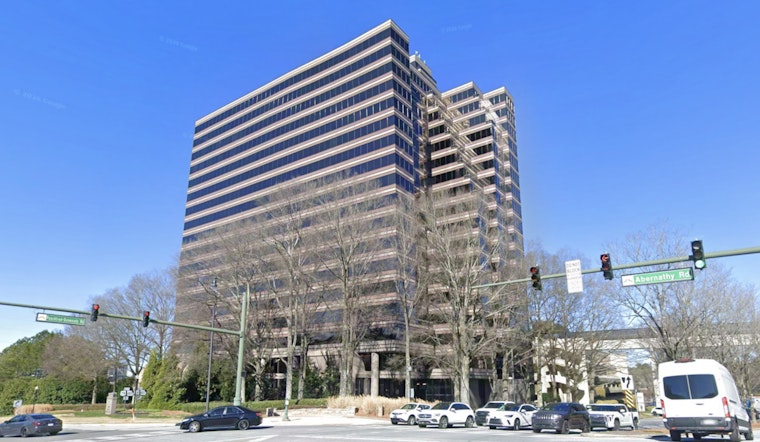
After years of tenants giving back more space than they took, Atlanta’s office market has finally broken the streak. For the first time in more than three years, the metro posted positive quarterly net absorption in early 2026, helped along by a handful of big leases and renewed interest in suburban, no-frills buildings.
What the numbers show
An Avison Young tally, as reported by Bisnow, pegs metro Atlanta’s Q1 net absorption at roughly 215,000 square feet, a swing of about 385,000 square feet from Q1 2025, when tenants moved out of more space than they leased. The report notes that commoditized office product recorded nearly 300,000 square feet of positive absorption, while Class A and trophy buildings lagged behind. Avison Young Senior Manager Sara Barnes told Bisnow that return to office plans are “fully in place.”
Different datasets, different stories
Not every scorecard tells the same story. CBRE’s Q1 figures for Atlanta show an approximate 443,000 square foot decline in net absorption after large blocks of sublease space shifted back to direct availability, a change the firm says heavily distorted the headline number. CBRE found that excluding those rollovers, much of the market actually posted modest gains. The way different firms treat sublease inventory, especially when it rolls back to landlords, goes a long way toward explaining how one report can show a rebound while another still records a net loss.
Deals that moved the needle
A few big-name tenants helped nudge the market into positive territory. AT&T’s move into Central Perimeter’s Northpark Town Center, on the order of roughly 160,000 to 166,000 square feet, and KPMG’s consolidation into about 105,000 square feet at Midtown’s Proscenium ranked among the quarter’s largest transactions, according to reporting by Bisnow and CoStar. Trinity Partners director Cori Nuttall told Bisnow that as the best blocks of space disappear, some companies are being pushed to “step a class down” into renovated or move in ready suburban buildings.
Jobs, AI and the cautious middle ground
The jobs backdrop is giving landlords both hope and heartburn. The Bureau of Labor Statistics shows metro Atlanta had about 3.09 million total nonfarm jobs in January, which supports underlying demand for offices. At the same time, national tech sector cuts, roughly 52,050 announced in Q1 2026 according to Challenger, Gray & Christmas, along with softness in the information industry, could put a lid on expansion plans from tech tenants. That push and pull helps explain why leasing is picking up in certain pockets even as overall availability remains elevated.
Outlook: momentum, but not a cure
Brokers describe the quarter as a welcome step forward rather than a clean bill of health. Pent up leasing activity and a few marquee commitments were enough to move the headline numbers into positive territory, but the heavy stock of sublease space, new project deliveries and the question of which tenants ultimately occupy already signed blocks will determine whether early 2026 momentum has legs. CBRE has cautioned that rollovers of sublease space can have an outsized impact on quarterly tallies and that a true recovery will hinge on steadier, broader tenant demand across submarkets and building classes.





