

























































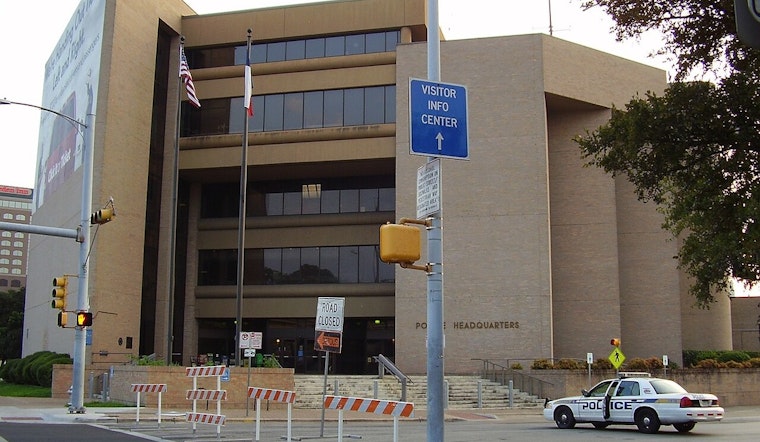
Ohio State researcher Robin Engel, brought in to take a hard second look at Austin Police Department use-of-force data, says APD has made real progress but is still tripping over how it counts force and trains officers around it. Her updated review connects shifts in policy and training to when and where force is most likely to happen, from elbow-to-elbow Sixth Street crowds to packed summer weekends, and cautions that the raw numbers can be misleading without cleaner definitions. City leaders and civil-oversight bodies are now debating whether reissued data and quicker reports will be enough to shore up public trust.
Engel presented fresh findings from a year-long review and told city officials that APD is moving in the right direction, even if the job is not done. Officers, she said, have been drilling on revised procedures since January, and her team plans to keep sitting in on trainings and joining ride-alongs to see how those rules play out on the street. Austin Police Chief Lisa Davis described the report as a snapshot of years of work on accountability and de-escalation, and the department has signaled that it wants to put out use-of-force numbers more often while it fine-tunes policy language and supervision practices, according to KXAN Austin.
What the review found
Engel’s analysis flagged big inconsistencies in how APD tracks and reports force. In 2024, the department logged force used against 2,919 individual subjects but published more than 6,000 incident counts. Engel attributes that gap to double-counting and conflicting rules about what exactly gets counted as a unit of analysis. A presentation prepared for the City of Austin and reviewed by Engel recommends a full-scale data audit, organizing encounters by the people involved rather than by each officer’s action, and reissuing past reports so the statistics line up and the open data portal is easier to interpret, according to the City of Austin.
Engel also told council members that, based on the way APD currently structures its information, her review found “very little ethnic and racial disparity” in use-of-force incidents connected to arrests. She and city officials stressed that this conclusion is tightly linked to how the data is organized and what is being measured. The Austin Monitor reported her comments and noted that mental health responses and other encounters that do not end in arrest still need closer study if the city wants a complete picture.
Where force clusters downtown
Chief Davis told the committee that the city’s nightlife scene, high-density crowds, summer weekends, and late-night hours all help explain spikes in use-of-force reports. She pointed to the George sector and the DTAC downtown area as hot spots where incidents bunch up. That neighborhood-level detail is part of why Engel is pushing not only for policy adjustments but also sector-level supervisory changes that would cut down on double reporting and tailor de-escalation training to the highest-risk shifts, as reported by KXAN Austin.
Policy and training changes under way
APD has already started rewriting its policy language, shifting away from the older “response to resistance” label and toward a more straightforward “use of force” standard. The department has also reorganized its patrol command structure so that sectors now report to a single assistant chief, an attempt to reduce uneven oversight from one part of town to another. Engel’s presentation calls for a dedicated APD Use of Force Task Force, new training schedules designed to prevent what she calls “training decay,” and a fresh look at Level-4 reporting thresholds so they line up with similar agencies. Those recommendations, outlined in the City of Austin materials, aim to match clearer definitions with consistent, front-line supervision so the statistics mirror reality instead of quirks in how reports are filed.
What comes next
Engel is urging the city to run a full data audit and redo its 2020 through 2024 use-of-force analysis so Austin can publish reliable, apples-to-apples reports and start rebuilding public confidence. Local coverage notes that APD has signaled a move toward more frequent reporting and that officers are expected to try de-escalation tactics before turning to force. Engel and her research team say they plan to stay involved as the department rolls out changes, according to FOX 7 Austin.
For Austin residents, the review lands with a mixed verdict. There is clear progress in policy language, training, and organizational changes, but the headline numbers will not mean much without sharper definitions, faster public reporting, and a sustained effort to clean up how APD counts force. Whether Engel’s ongoing oversight and scheduled updates turn written recommendations into lasting change is the next big test.





