

























































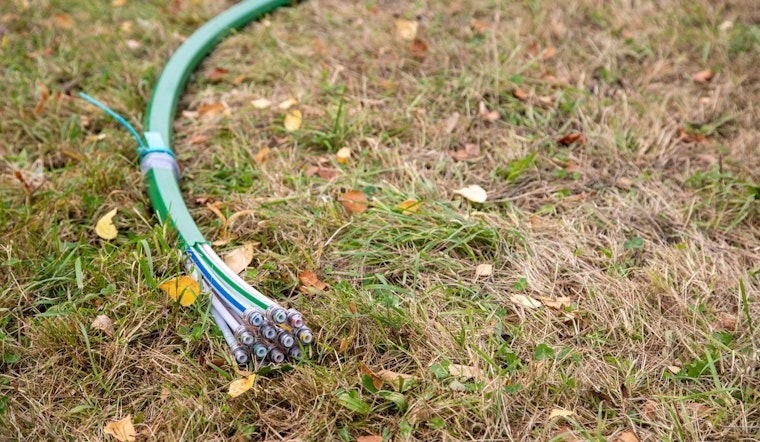
In January, Ballwin homeowner Molly Krummenacher walked into a nightmare: her hot water heater and dryer were on fire after an excavator struck an underground electric line outside. Crews had been in the neighborhood laying fiber when the strike sent a power surge through her house, frying appliances and wiring. The hit left about $20,000 in damage and a long trail of repairs, insurance calls, and stress.
According to First Alert 4, Krummenacher says the fiber installation crew was supposed to have utilities marked by subcontractor USIC, yet she never saw flags or paint over the buried electrical line. The station reports that the surge turned neutral wires live, caused about $20,000 in damage, and that USIC later reached out and paid her insurance deductible. "It’s just sheer panic and disbelief," she told the outlet, and AT&T, which said it hired the contractor, told the station that the contractor is working to resolve the homeowner’s concerns.
A regional problem, with numbers climbing
Krummenacher’s close call is part of a much bigger pattern. The Common Ground Alliance’s 2024 DIRT report logged about 197,000 unique underground damage incidents in 2024, and its multi-year database now tops half a million reported dig-ins. The group warns the industry is not on track to hit its damage-reduction targets and cites heavy telecom buildouts and brisk construction activity as major drivers, according to the Common Ground Alliance.
Missouri tightened rules last year
In response to growing concern, Missouri passed Senate Bill 133, which took effect on Aug. 28, 2025. The law requires that new underground facilities include a detectable locating feature such as tracer wire or locator tape and extends the life of a locate ticket to 21 days. The state’s 811 agency also notes that the law spells out liability more clearly: excavators who follow the statute may not be held responsible if damage stems from incorrect or missing locate information, while locators and facility owners can be held liable for mistakes. Missouri 811 provides detailed guidance for excavators and utilities on the changes.
Mapping gaps, fiber builds and missed calls
Industry data points to some familiar weak spots: inaccurate marks, late locates, and digging that starts without an 811 ticket at all. The Common Ground Alliance says these "no-call" incidents, where someone fails to contact 811 before digging, account for roughly a quarter of reported damages and urges wider use of better mapping tools and electronic geo-location technology. Sarah Magruder Lyle of the Common Ground Alliance warns that the amount of fiber being buried right now "pales in comparison" to other infrastructure, a mismatch that creates urgent pressure to modernize mapping systems (Common Ground Alliance).
How homeowners can cut their risk
Home improvement projects can be part of the problem or part of the solution. Before any digging, even a small landscaping job, call 811 to have underground utilities located and marked, and give crews the required time window to complete their work. Respect the paint and flags, and switch to hand tools or soft-dig methods when you are working within the tolerance zone. Keep your locate ticket number and take photos of markings in case questions come up later. Missouri residents can find ticketing information and training resources at missouri-811.org.
Legal stakes are rising
The liability questions are increasingly ending up in court. First Alert 4 reports that USIC, the marking subcontractor connected to the Ballwin call, is already facing litigation tied to a previous home explosion in the region, with homeowners seeking recovery for property damage. Missouri’s SB 133 also reshapes how responsibility for damage is assigned, a shift that could influence how future lawsuits play out when locate information is wrong or missing.
As broadband companies and builders keep opening up streets and yards, the Common Ground Alliance and state officials say real progress on damage reduction will depend on better mapping, tougher enforcement and tighter oversight of contractors. For now, a simple call to 811 and careful attention to those colored flags and paint stripes remain the most immediate protections homeowners have.





