

























































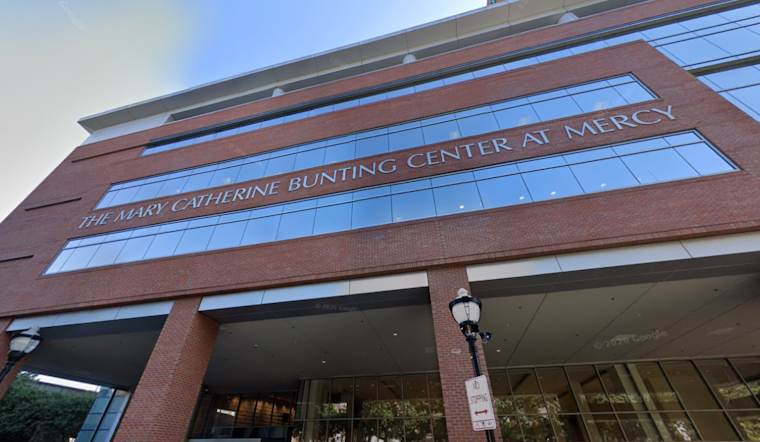
Doctors at Mercy Medical Center in downtown Baltimore say emerging blood-based research could give them a sneak peek at who is headed for Type 2 diabetes years before any classic symptoms show up. The work focuses on telltale patterns of amino acids and proteins that appear long before a formal diagnosis, raising the possibility of stepping in early for people who currently skate past standard screening. Local clinicians say that kind of early warning could be especially important for older women, who already shoulder much of the city’s diabetes burden.
Mercy Clinicians Weigh In On The New Research
In coverage from Mercy Medical Center, Dr. Ernestine A. Wright, a board-certified primary care and geriatrics specialist with Mercy Personal Physicians Downtown, highlights a long-running study that followed participants for roughly 12 years. Researchers reported that elevated levels of certain amino acids and proteins were strongly tied to who went on to develop diabetes later. Wright and her Mercy colleagues say that if those markers are validated, doctors could identify high-risk patients sooner and start prevention while there is still plenty of runway. Mercy’s newsroom also points readers to a local TV interview that digs deeper into how its clinicians are sizing up the new technology.
Those Early Biochemical Clues Are Not Entirely New
The idea that metabolism changes long before diabetes shows up on routine labs has surfaced before. An analysis from the Framingham Offspring cohort identified a cluster of branched-chain and aromatic amino acids that ran high as much as 12 years before disease onset, according to Nature Medicine. Clinicians point out that such a long lead time is what makes targeted prevention feel workable in real life rather than just a neat theory in a journal.
Big New Study Maps A 44-Metabolite Risk Signature
More recently, a large multicohort analysis published in January found 235 metabolites linked to future Type 2 diabetes and distilled them into a 44-metabolite signature that sharpened risk prediction beyond standard clinical factors, according to a press release from Mass General Brigham. The project pooled tens of thousands of participants across multiple cohorts, and its authors are clear that the work is not clinic-ready quite yet. They call for more validation and randomized clinical trials before any blood panel based on this signature lands in routine practice.
Why Baltimore Patients Should Pay Attention
On the ground, the numbers are not abstract. Nationally, about 19% of women 65 and older have been diagnosed with diabetes, a pattern that local clinicians say shows up in Baltimore as well, according to the CDC. Local reporting on a silent sugar crisis has raised the alarm on the same age-related burden and has also noted growing screening and self-management programs in the city.
Next Steps: Trials, Screening And Prevention
For now, the authors behind the large metabolomics project, along with affiliated press offices, are adamant that the next chapter has to run through randomized trials and additional experimental work before any change to screening standards, according to reporting on the research. In real-world clinics, screening still leans on A1C and fasting-glucose tests and follows guidance from the American Diabetes Association. In the meantime, Mercy continues to offer diabetes self-management classes and endocrinology services in Baltimore, including continuous glucose monitoring for patients who need closer tracking, according to Mercy Medical Center.
Mercy physicians say the latest findings are better viewed as a promising shift in the pipeline than a magic fix. The science points toward a future where prevention can be more precise, but turning a metabolite signature into an insured, off-the-shelf blood test will take more study and policy work. For now, patients with risk factors or questions about their own odds are urged to talk with their primary care provider about A1C testing and the prevention programs already available in Baltimore.



