

























































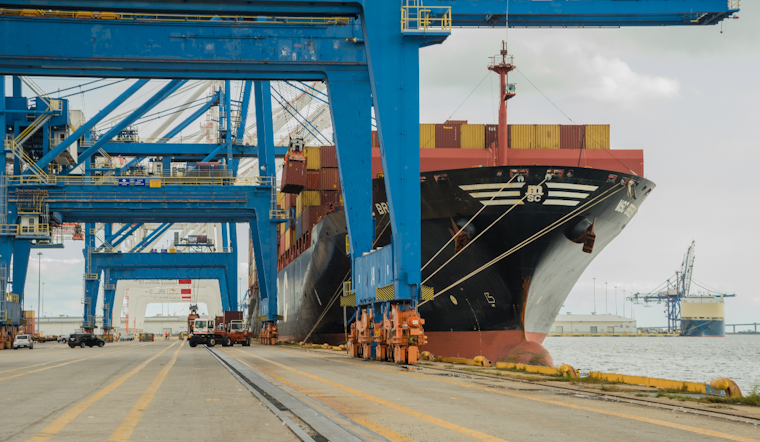
The Port of Baltimore is doubling down on its farm export future, breaking ground Thursday on a new agriculture grain transloading facility that backers say will speed soybeans, corn, and other crops from Maryland fields to overseas buyers. The compact site is set to feature three silos and an automated conveyor so truckloads of grain can be tipped straight into export containers, trimming handling steps and cutting down on turnaround time. Developers and state officials say they expect the operation to be moving cargo by August.
Ports America Chesapeake and Frey Commodities are teaming up on the public‑private project, with state agriculture officials stressing what it could mean for local growers, as reported by WMAR‑2 News. Maryland Agriculture Secretary Kevin Atticks told reporters the facility should make it easier for farmers to reach the port and line up overseas buyers. Company and port representatives added that the on‑dock layout is designed to lower costs for shippers and cut truck miles for inland hauls.
The timing comes as the Port of Baltimore continues a steady climb back after the 2024 Francis Scott Key Bridge collapse, a recovery track highlighted in a January press release from the Maryland Port Administration. The state noted record container volumes and vessel visits in 2025, and Ports America Chesapeake President Mark Schmidt said ongoing private terminal investment is a key piece of keeping Baltimore competitive. Port leaders argue that visible private capital helps speed operational upgrades and can coax more carriers to route ships back through the city.
Frey Commodities Chief Commercial Officer Mike Adamchak said the Key Bridge disaster actually hardened the company’s resolve to invest in Baltimore. The firm even had cargo on the vessel that struck the bridge, according to WMAR‑2 News. “If anything, it made us have more conviction about this being the place that we wanted to make this investment,” Adamchak told the crowd at the groundbreaking. Industry watchers say remarks like that from traders and terminal operators can quietly shape carrier routing choices that ripple through local truck and rail traffic.
Why transloading matters
Transloading hubs are designed to move grain quickly from trucks into ship‑ready containers, cutting down on handling and highway miles. It is a model that other East Coast ports have been chasing. Similar efforts, including a newly planned agricultural export terminal in Portsmouth, Virginia, point to a regional push to tighten the farm‑to‑ship chain, according to World Grain. Planners say putting grain handling on the dock can also create steadier export windows that make Baltimore more attractive to ocean carriers looking to keep schedules predictable.
What's next
Construction is slated to continue through the spring, with the partners targeting an August start for operations, according to city and company officials. Supporters say the facility will give Maryland growers another route into global markets while fitting alongside larger infrastructure upgrades, including the Howard Street Tunnel modernization that state officials say will boost the port’s rail capacity. Port and agriculture leaders plan to watch the facility’s early months closely to see how it affects truck traffic and export volumes.





.jpg)