

























































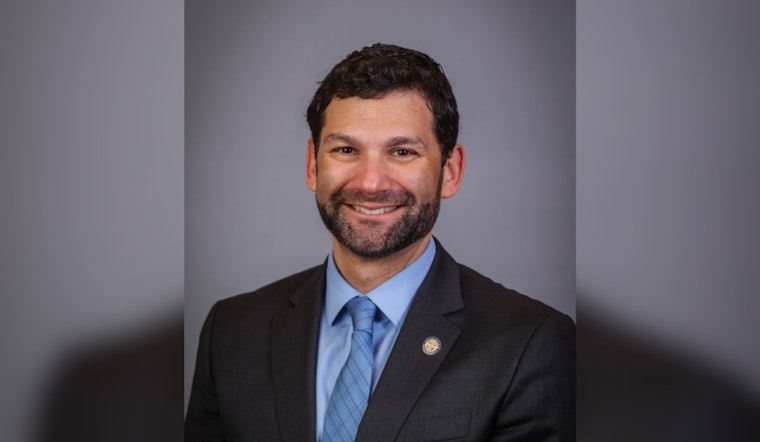
State Rep. Eric Synenberg is stepping straight into one of the most sensitive debates in health care, saying he will introduce legislation to legalize medical aid in dying in Ohio. He plans to lay out the proposal at a press conference at the Ohio Statehouse in Columbus on Thursday at 9 a.m., putting Ohio squarely into a national conversation after several states moved to expand end-of-life options in the last year.
Synenberg, a Democrat from Beachwood, said he will carry a bill that would allow terminally ill, mentally competent adults to request physician-prescribed medication to hasten death, and that advocates are expected to join the push, according to Cleveland.com. “Just in the last year, three states have passed legislation allowing medical aid in dying,” he told reporters, adding that “after several conversations, I was honored to be asked to carry it forward,” per the report.
Who Is Carrying the Bill
Synenberg represents Ohio’s 21st House District and was sworn into the 136th General Assembly in January, according to his official profile. His Ohio House page lists his district, contact information, and recent work in Columbus, where this proposal would be introduced, argued, and amended like any other bill.
A Bill With History
Ohio has seen versions of this debate before. Former state Sen. Charleta Tavares previously sponsored an aid-in-dying measure, and the Ohio legislative website still hosts text from earlier bills that would have authorized prescriptions for aid-in-dying medication. As detailed by the Ohio Legislature, those past drafts spelled out who would qualify, what documentation was required, and which procedural safeguards had to be in place before any prescription could be written.
Where Ohio Fits in a National Trend
Supporters are already framing Synenberg’s move as part of a broader national shift. New York’s governor signed a Medical Aid in Dying Act in February, and Illinois enacted its own end-of-life measure late last year. The Associated Press reported that Illinois Gov. J.B. Pritzker signed that bill on Dec. 12, 2025.
Public Support and Politics
Polling suggests the public has long been ahead of lawmakers on this question. A 2018 memo from Public Policy Polling found that 87% of Ohio voters favored the right of terminally ill patients to control the end of their lives. The same memo reported majority support across party lines in its sample, suggesting that the issue can draw cross-partisan backing in a state where few topics do.
What a Measure Would Look Like
As of Wednesday, Synenberg’s exact bill language had not yet been posted publicly, but the basic contours are familiar from prior drafts in Ohio and from laws passed in other states. Measures of this kind typically allow adults with a medically confirmed terminal condition and decision-making capacity to request an aid-in-dying prescription, require an attending and often a consulting physician to confirm eligibility, and include residency checks, waiting periods, and mental health assessments. Those types of guardrails appear in earlier Ohio proposals and in the newer statutes elsewhere.
Opposition and Legal Questions
Critics argue that medical aid in dying conflicts with the medical ethic to “do no harm” and with many religious teachings, and disability-rights and faith groups have warned about the risk of pressure on vulnerable patients. Civil-liberties and policy organizations have also pushed back when lawmakers tried to tuck assisted-dying provisions into broader, unrelated legislation, a tactic that helped fuel controversy in previous Ohio debates over the issue.
Synenberg’s Statehouse press conference is set for Thursday morning, and the building’s contact page lists the address as 1 Capitol Square in downtown Columbus. In the days that follow, lawmakers will find out whether the proposal can attract co-sponsors and secure committee time, the first procedural hurdles for any contentious health care bill in the General Assembly.





