

























































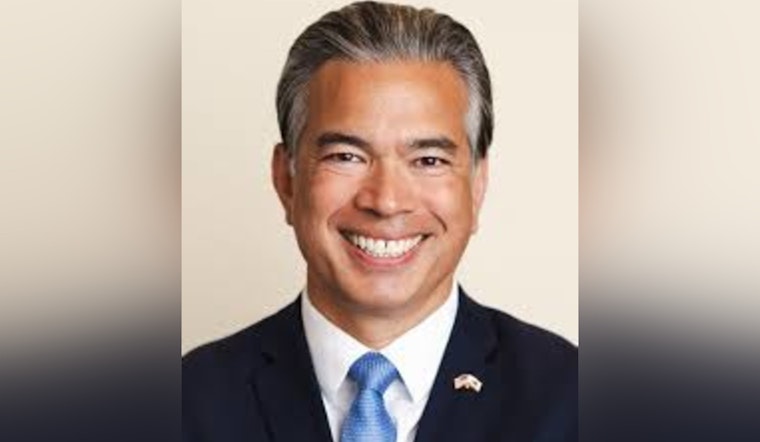
California Attorney General Rob Bonta has stepped into a fast-moving legal fight over how much control corporate owners can exert over medical practices, filing an amicus brief that defends the state’s long-standing ban on the corporate practice of medicine. The brief, submitted this week in an appeal between a physician-owned practice and a private equity-linked management services organization, argues that clinical decisions must stay with licensed physicians instead of being steered by nonclinical corporate managers. The move highlights Sacramento’s growing scrutiny of investor influence in health care.
State law is clear: Medical decisions must be made by licensed physicians, not unduly influenced by corporate interests. That’s why we’re defending CA’s ban on the corporate practice of medicine. As private equity investment in healthcare grows, protecting patients remains our
— Rob Bonta (@agrobbonta) April 1, 2026
In a press release from the Office of the Attorney General, Bonta said his office filed an amicus brief in Art Center Holdings, Inc. v. WCE CA Art to support a trial court decision that found certain contractual provisions gave a management services organization excessive control over a medical practice. Bonta echoed that message in his post on X, writing that “protecting patients remains our top priority” as he explained why the state decided to weigh in.
What The Brief Says
The amicus brief backs a lower court ruling that concluded a continuity agreement used by the management services organization could effectively transfer decision-making power to a non-physician entity. According to the court filing, that included the contested ability to replace a physician-owner. The tentative ruling and related case documents describe how those clauses operated in practice and why the judge viewed them as inconsistent with California’s corporate practice of medicine doctrine.
Why Patients And Investors Care
Private equity’s footprint in California health care has grown quickly. At its 2021 peak, private equity investment into the broader health care economy reached roughly $20 billion, and acquisitions of providers were a significant part of that activity, according to a report by the California Health Care Foundation. That rapid growth, combined with studies that link some private equity models to higher costs or strained operations, sits at the center of policymakers’ and regulators’ concern about nonclinical actors influencing clinical judgment.
Policy Crackdown Already In Motion
The brief lands after a year of state lawmaking aimed at tightening oversight of investor deals. Lawmakers and the governor approved measures last fall that codified restrictions on the corporate practice of medicine and expanded pre-transaction reporting to include private equity firms and management services organizations. Experts note that the new rules took effect January 1, 2026. Those statutory changes add enforcement tools and reporting requirements that change how deals and management arrangements will be reviewed in California.
Legal Stakes For Management Firms
By filing an amicus brief, the Attorney General’s office is signaling a willingness to press courts and regulators to police agreements that cross the line into clinical control, the press release explains. That includes seeking injunctive relief or other remedies when contracts appear to undermine physician autonomy. The brief underscores the legal risks that management services organizations and investors face if courts conclude that contractual provisions hand core clinical decisions to entities that are not licensed to practice medicine.
What Happens Next
The appeal remains active, and the case record, including the trial court’s tentative ruling and related filings, will be central to whatever the appellate court decides. How the appellate panel rules could reshape the structures private equity uses to partner with physician practices and clarify what contractual safeguards are necessary for arrangements to pass legal muster in California.





.jpg)