

























































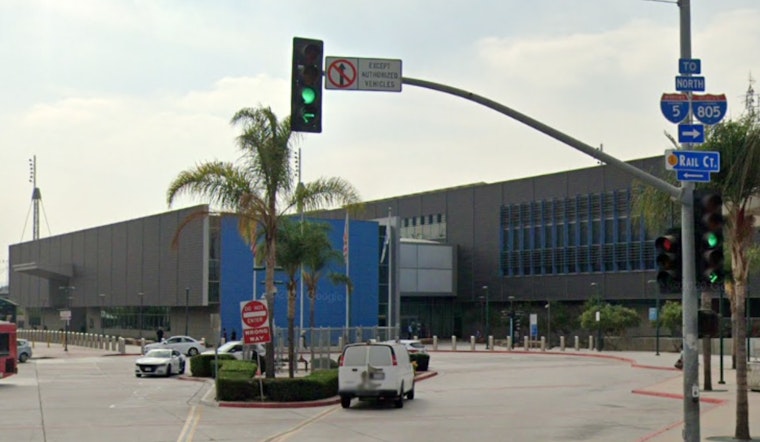
College students who trek across the San Diego-Tijuana border for class have finally caught a break. This week, new dedicated pedestrian fast lanes opened at three ports of entry, promising to cut wait times from hours to just minutes for those who are approved. The lanes are part of a pilot Coordinated Access Program, or CAP, now live at San Ysidro PedEast, the Otay Mesa pedestrian crossing and Calexico West. Local universities and Mexican institutions teamed up with federal border officials to launch the effort, aimed squarely at easing the brutal morning rush for student commuters. Use of the lanes is limited to pre-approved students.
Where the lanes are and how to register
As reported by The San Diego Union-Tribune, the CAP pilot set up expedited student lanes at the San Ysidro PedEast and Otay Mesa pedestrian ports of entry, as well as at Calexico West. To get in those lines, students have to register through the CBP Link mobile app, where they submit biographical details, documentation and a photograph.
Once approved, students are directed to a designated CAP lane and present an enrollment authorization during inspection to keep things moving. Participating colleges and universities issue authorization codes that students plug in during registration. At the gate, a CBP officer snaps a live photo that auto-populates the student’s record, which officials say helps speed up processing. The whole setup is designed to turn marathon border waits into something closer to a quick walk to class.
How the pilot came together
The concept first surfaced last winter through the CaliBaja Higher Education Consortium, a binational effort focused on smoothing cross-border study. Coverage in Voice of San Diego described how Customs and Border Protection was mapping out a student “fast pass” pilot that would let approved students use shorter pedestrian lines, with universities on both sides of the border backing the idea. That early planning laid the groundwork for the formal CAP launch this spring.
How it will work at the gates
CBP officials say that once students are in the system, the dedicated lanes should move them across in a matter of minutes, with specific CAP hours tailored to the busiest periods. For now, according to The San Diego Union-Tribune, CAP operates from 6 AM to 10 PM at San Ysidro PedEast and Otay Mesa, and from 6 AM to 8 PM at Calexico West.
Joaquedn Luken, a program official, told the paper the pilot could become another landmark pilot project for the region, just as SENTRI once was, signaling that border agencies are watching closely to see if this student-specific model can reshape the daily grind at the crossings.
Why it matters for students and the region
Long border waits at land ports have been a chronic headache for the region. Analyses from SANDAG have documented repeated peak-period logjams at San Ysidro, Otay Mesa and Calexico, along with concrete economic and time costs for cross-border travelers. Trimming those delays for students could help boost class attendance, trim transportation burdens for families and ease overflow traffic that spills into nearby neighborhoods, a top priority for local leaders backing the pilot.
Students hoping to use the new lanes are being told to start with their school’s registration page to get an authorization code, then complete the CBP Link sign-up and wait for formal approval before trying a CAP lane. Once cleared, students should carry a current campus ID and their app confirmation when they line up, since CBP officers will check both at inspection. Officials say they will track how the pilot performs and are prepared to tweak hours or eligibility as they collect data on what actually works on the ground.





