

























































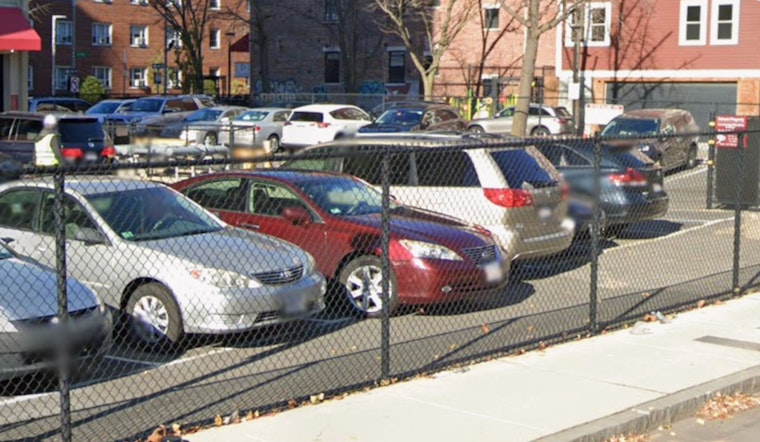
Boston might be about to tell mandatory parking spots to take a hike.
City Councilors Sharon Durkan and Henry Santana have filed a sweeping zoning petition that would eliminate minimum off-street parking requirements for new residential construction across the city. Filed with the City Council on April 13, the proposal targets rules that developers and housing advocates say inflate construction costs and kill off "missing middle" projects on tight lots. Supporters say the move would make modest, walkable housing easier to build, while critics warn it could push more cars onto already contested neighborhood streets.
The petition, introduced as a text amendment to the Boston Zoning Code, asks the city to "remove all residential parking minimums for new development," according to the draft text posted on Legistar. The proposal would rewrite multiple sections of Article 50 and related use tables, stripping out per unit parking ratios that date back decades. The filing frames the reform as a way to lower per unit costs and unlock smaller multifamily projects that currently fail underwriting when they are forced to build structured parking.
Backers are pitching the change first and foremost as an affordability play. "At a time when housing production remains near historic lows," Durkan said in a release, as reported by Streetsblog Massachusetts. Those arguments land against a backdrop of recent construction that is still very car friendly. A separate Streetsblog Massachusetts analysis of Boston Planning & Development Agency data found 2023 filings would add roughly 8,000 off-street parking spaces. And for downtown drivers, the price tag is not small: current listings on SpotHero show many monthly garage spots running in the low to mid $500 range.
How It Would Work
Right now, Boston's largest projects, those over 50,000 square feet, go through Article 80 review. In that process, the Boston Planning & Development Agency and city transportation staff can negotiate project specific parking caps and design changes. BPDA guidance lays out those thresholds.
The bulk of the city's new housing, though, comes in smaller buildings that never see Article 80 but are still tied to rigid per unit parking minimums. The Durkan Santana amendment is aimed squarely at those projects. By striking minimums from the zoning tables, supporters say, the city would let financing, location and market demand determine how much parking a building actually needs instead of locking every site into a one size fits all ratio.
Regional Trend
Boston would not be venturing into uncharted territory. Cambridge eliminated off-street parking minimums for new buildings in October 2022, a move covered by The Boston Globe. Somerville followed suit in December 2024, according to Boston.com, and Salem adopted a similar ordinance in September 2025, documented by the City of Salem.
Proponents say that growing cluster of reforms around Greater Boston is giving builders more flexibility and nudging growth toward transit rich neighborhoods rather than tying every new unit to a parking space whether residents want one or not.
Arguments For And Against
Supporters, including Councilor Henry Santana, argue that removing mandates shifts decisions back to developers, lenders and eventual tenants. In a policy write up on his website, Henry Santana calls the change a way to "shift the decision making power back to where it belongs" and to make smaller, missing middle projects pencil out financially.
Opponents counter that something has to give, and it might be curb space. They point to worries about competition for on street parking and to the needs of residents with disabilities or work schedules that make owning a car non negotiable. Local officials raised similar concerns during Somerville's debate, and some Boston councilors have already begun asking how the city would protect residents who rely on cars, a conversation NBC Boston has been following as the proposal heads into committee.
Next Steps
The petition is listed on the City Council's legislative docket as File No. 2026 0809 and landed on the April 15 agenda with a formal public hearing order already issued. The Legistar filing and the City Clerk's hearing order show the measure heading to the council's planning committee for public testimony.
If the committee signs off, the full Council would vote on the zoning petition, which would then typically move to the BPDA and the Boston Zoning Commission for additional review and potential final adoption. A scheduled hearing notice on Boston.gov outlines that multi step process.
Whether the reform actually frees up land for more affordable units will depend on how politics at City Hall collide with the realities of builders and lenders, who sometimes still require parking in loan terms even when zoning does not. Advocates say the amendment simply removes an arbitrary upfront cost so developers can respond to each site instead of rigid rules. Critics counter that the city will need stronger transportation demand management and clear plans for accessible parking to prevent spillover headaches on neighborhood blocks. Expect a lively hearing and months of committee and agency review before any final votes, with the council docket carrying the evolving draft text and public comments as the debate plays out.





