

























































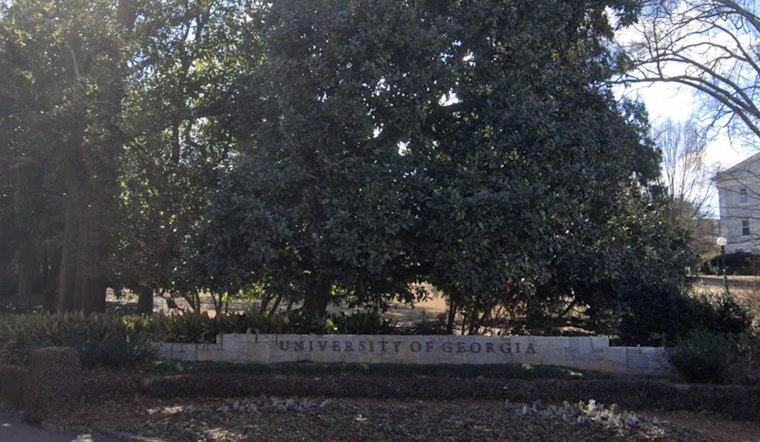
In Athens, some of the folks who have long written the checks that power Georgia sports say they are feeling squeezed like never before. Since the dawn of the Name, Image and Likeness era in mid‑2021, University of Georgia athletic programs have hauled in roughly $303.7 million in private contributions. Yet veteran donors say the constant calls to help cover NIL payouts, transfers and new facilities are wearing them down. That fatigue has local fundraisers scrambling to match donor generosity with the ballooning price tag across 21 scholarship sports.
Numbers show the size of the ask
The Atlanta Journal‑Constitution tallied the contributions and reported that UGA athletics has taken in about $303.7 million across the four fiscal years since July 2021, using figures drawn from the school's own filings. According to the university's NCAA financial report for FY2024, UGA athletics recorded $241.8 million in operating revenue that year, a reminder of how major donations and everyday operating income sit next to rapidly rising program costs (University of Georgia Athletics). Fundraisers say those big topline numbers can obscure timing quirks, accounting choices and one‑off facility gifts that do not necessarily free up cash for NIL commitments or postseason travel.
Donors say they're tapped out
"There really is donor burnout," former UGA athletic director Greg McGarity told The Atlanta Journal‑Constitution, summing up what several longtime boosters described. Many say the value proposition has shifted: they would rather bankroll visible, long‑term projects such as facilities or endowments than write checks for one‑off NIL payouts that might follow a player to another school. Those candid gripes have become a central puzzle for UGA fundraisers who still need support spread across multiple sports, not just the headline programs.
Budget squeeze: NIL, postseason costs and accounting shifts
The financial reports reflect that pressure. Sports Business Journal reported that UGA posted an operating deficit in FY2025 after reclassifying some capital project contributions, while also pointing to postseason expenses and NIL outlays as part of the swing. In that FY2025 filing, UGA listed about $52.1 million in contributions, whereas its FY2024 report showed a significantly larger surplus the prior year, underscoring how timing and accounting treatment can flip the bottom‑line story (University of Georgia Athletics). Administrators say those year‑to‑year swings, layered on top of a steady stream of NIL costs, explain why fundraisers are now having tougher conversations with even their most loyal supporters.
National picture: giving rose, but the asks multiplied
UGA is hardly alone. Across the country, Sports Business Journal found that donations rebounded after the pandemic, with many athletic departments logging record fundraising totals in 2022 and 2023, even as boosters grumbled about the never‑ending solicitations. "Tired they might be, but donors are still giving," SBJ noted, citing new donors and bigger commitments that have helped cover NIL spending and other competitive pressures. That tension helps explain UGA's paradox: the school can point to robust aggregate fundraising while donors quietly wonder where each new dollar is actually going.
What donors want
Local boosters say they are looking for clearer accounting around NIL dollars and more visible, lasting projects that show concrete impact. Fundraisers, for their part, say they are trying to bundle requests around measurable, long‑term investments rather than scattershot asks. The next stretch will reveal whether UGA can turn its NIL‑era windfall into the kind of durable projects and transparency that keep Bulldog backers engaged instead of exhausted.





