

























































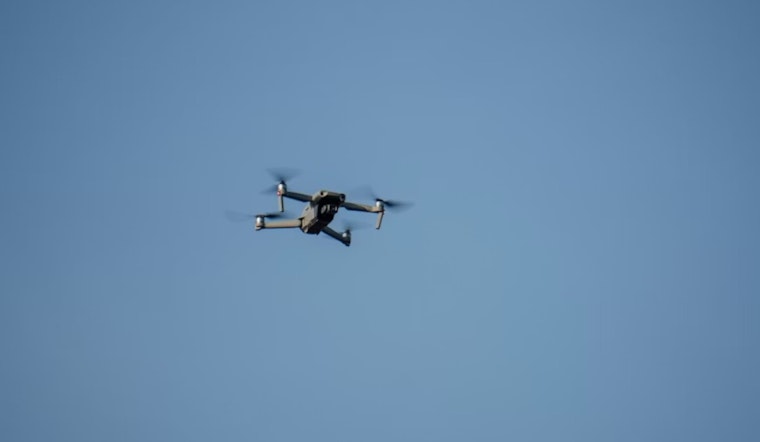
Across Bloomfield Township and nearby Metro Detroit suburbs, Amazon Prime Air drones have quietly slipped into the daily scenery, zipping over rooftops and backyards with surprising regularity. For some residents, they are a novelty and a time-saver. For others, they feel a lot more like flying security cameras than friendly delivery helpers.
Neighbors have been calling local police to ask a pointed question: are these things recording us? Officers in Bloomfield Township and surrounding communities say what started as a fairly standard tech rollout has quickly morphed into a bigger debate about privacy, aerial surveillance and who is keeping an eye on the eye in the sky.
Officer Heather Glowacz told FOX 2 Detroit that many residents are convinced the drones are equipped to peer straight into yards and windows. The department said it met with Amazon Air to walk through how the system works and to address community questions. According to the department’s post, the Pontiac fulfillment center is sending roughly 140 to 170 drone flights per day within an eight-mile radius. Online comments on the post ran the gamut, from enthusiasm about speedier drop-offs to pointed demands for clear rules on camera use and how long any images or data are kept.
How Prime Air's drones operate
Federal filings describe the MK30 aircraft Amazon is using as a small but fast workhorse. It can carry packages up to 5 pounds, operate about 7.5 miles from its base and cruise at roughly 73 miles per hour in horizontal flight. The platform includes a camera and avionics suite that are used for navigation and safety, according to a Federal Aviation Administration draft environmental assessment.
The same document notes that MK30 drones typically travel a few hundred feet above the ground while en route and release packages from about 13 feet up during delivery. The assessment lays out those capabilities alongside noise and visual-impact studies as part of a formal review under the National Environmental Policy Act, which is meant to weigh the broader effects of the operation, not just how fast a package lands on a porch.
Amazon says it's listening
In a statement to FOX 2 Detroit, Amazon said that “Prime Air is designed to safely deliver packages to customers in under an hour” and that any delivery data collected is used to help ensure safe operations. Company representatives told local officials they make a point of engaging communities where they fly and that they welcome feedback on routing, flight times and safety protocols.
Amazon has also presented the drone program as a way to take some traffic off local roads while bolstering its existing network of trucks and vans rather than replacing it. The pitch, in short, is fewer vans idling at the curb and more quick drops from above, provided the company can keep neighbors on board and regulators satisfied.
Local rollout and a policy response
Prime Air began operating in the Pontiac area in late 2025, with coverage gradually expanding into nearby Hazel Park and other neighborhoods, according to local reporting. Ahead of the rollout, CBS Detroit documented community meet-and-greet events and media tours tied to the program’s November launch.
At the state level, lawmakers have responded with a slate of proposed rules aimed at tightening oversight of drone activity. A package branded as the SHIELD bills would create designated no-drone zones and new oversight mechanisms for commercial drone flights. Coverage of the proposals has framed the effort as a response both to rising privacy worries and to concerns about drones operating near critical infrastructure, as reported by GovTech.
What comes next
For now, local police say they will keep fielding calls from residents while Amazon and community leaders sort through questions about flight paths, hours of operation and how long any imagery or sensor data is stored. The FAA’s draft review of the Detroit-area operation is part of a formal NEPA process and includes a public-comment component, giving neighbors a channel to weigh in on noise, privacy and safety through a Federal Aviation Administration draft environmental assessment.
Officials on all sides say the technology is still new to many neighborhoods, which means the conversation is unlikely to wrap up as neatly as a delivered package. As Prime Air expands, debates over where drones can fly, how transparent companies must be about their systems and what happens to any footage collected are expected to keep unfolding right alongside the delivery routes.





