

























































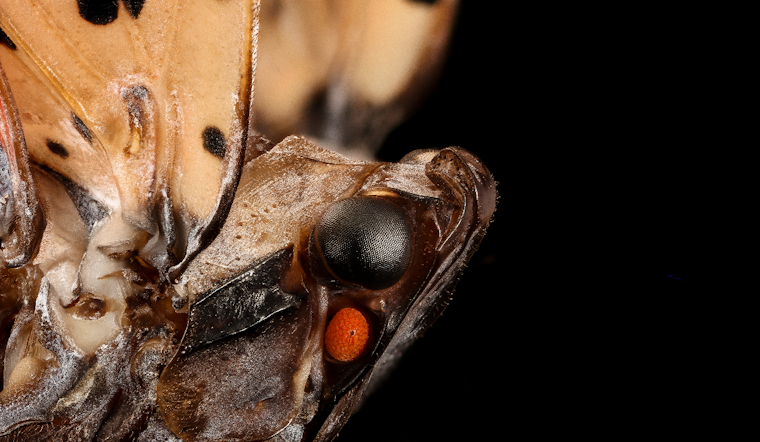
Spotted lanternflies are officially on notice across all of Maryland. State officials have now thrown the entire state under quarantine as they scramble to slow a fast-spreading, sap-sucking insect that threatens vineyards, orchards, and even the shade trees in your yard. The rules tighten how people and businesses move plants, packing materials, and certain outdoor gear across county lines, just as hatch season kicks into high gear. Residents are being asked to keep an eye out for egg masses, nymphs, and adults, and to report anything suspicious right away.
Quarantine Expands Statewide And Permits Kick In
According to a press release from the Maryland Department of Agriculture, Dorchester, Saint Mary’s, Somerset, and Worcester counties were added on March 6. That move turned what had been a patchwork of rules into a single statewide quarantine that restricts the movement of regulated articles. The order requires businesses and municipalities that move regulated items, from construction waste and packing materials to plants and vehicles, to obtain a specialized spotted lanternfly permit. The press release notes that permits are valid across Maryland, Virginia, Pennsylvania, New Jersey, and Delaware, so regional commerce can keep moving while still following the rules.
David Gruchot, the U.S. Department of Agriculture’s assistant national policy manager with APHIS Plant Protection and Quarantine, told WBAL NewsRadio that hatch and first-instar activity is expected “now through June.” “Adults are roughly one inch long and one and a half inches wide,” Gruchot said, adding that the insects produce a sticky, sugary honeydew that can attract sooty mold and cause more damage to plants. His warning underlines why state officials say the expanded quarantine is arriving right on time.
What The Quarantine Demands From Businesses And Residents
Businesses that need to move goods into or out of the quarantine zone must designate a manager or supervisor to complete online permit training and pass an exam before vehicle permits are issued. Penn State Extension runs the free “Spotted Lanternfly Permit Training for Businesses” course, which explains what to inspect, what records to keep, and how to train other employees. Companies are expected to maintain documentation of inspections and control measures for at least two years in order to stay in compliance.
How To Spot The Bug And Shut It Down
State guidance leans heavily on low-tech tactics. Flyswatters, nets, or even hand and shop vacuums can be used to knock down and kill spotted lanternflies around homes and vegetation, with captured insects then disposed of. The University of Maryland Extension directs homeowners toward mechanical strategies and cautions that removing the invasive tree-of-heaven means killing the entire root system; it will simply resprout. For anyone wary of sticky bands, extension materials reference Penn State’s circle-trap designs, which catch climbing nymphs without snagging birds or bats.
Where To Report Sightings
Residents are asked to report sightings, egg masses, or suspect insects through the Maryland Department of Agriculture’s reporting tools and online survey. The agency posts spotted lanternfly resources and guidance for businesses and residents on its website. For permit questions or inspections, contact MDA’s Plant Protection and Weed Management program at (410) 841-5920 or [email protected], the press release says. The department also offers guidance on how to avoid accidentally moving eggs or adults on vehicles and outdoor gear.
Federal officials are clear about the stakes. The USDA estimates that invasive plant pests cause roughly $40 billion in damage to U.S. plants each year, a reminder that early detection and careful movement of materials matter. With hatch season running through June, state and federal agencies say that checking vehicles and outdoor gear before travel and reporting any finds remain the best defensive moves Marylanders can make.





