

























































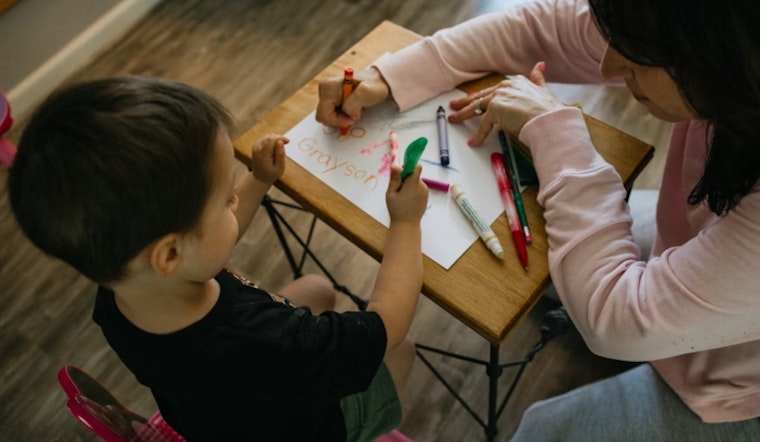
At a recent EdSource roundtable, special-education specialists warned that California is heading for a financial and staffing crunch unless the state leans hard into preschool and early-intervention programs. With overall K-12 enrollment shrinking while the share of students qualifying for special education climbs, especially in the youngest grades, districts are getting hit from both sides. Panelists argued that earlier investments in literacy, behavior supports and inclusive preschool could cut down on how many students later need the most intensive and expensive services.
Panelists Point to Prevention, Not Just Rescue
During the session, experts, including special-education administrator Anjanette Pelletier and classroom teacher Monique Barrett, pressed districts to put more muscle behind P-3 programs and inclusive preschool. As reported by SFGATE, Pelletier noted that almost none of the revenue generated is targeted at preschool and early childhood experiences, even as needs show up earlier and earlier. Barrett added that spending more on pre-K through third grade would mean fewer students, over time, qualifying for special education. A student commissioner on the panel described how chronic understaffing leaves teachers stretched thin and students without essential supports.
Federal Gap Forces Districts to Pick Up the Tab
The federal Individuals with Disabilities Education Act authorizes Washington to cover up to 40% of the extra costs of special education. In reality, the California Department of Education reports that federal grants now pay for only about 11 to 13 percent of those costs, leaving states and local districts to fill the gap. The California Department of Education notes that shortfalls routinely force districts to pull money from their general funds into special education. At the same time, SFGATE reported that districts are contracting services from outside providers when they cannot hire specialists, which often raises per-student costs. Those financial pressures, panelists said, are now a recurring flashpoint in labor talks and daily life in classrooms across the state.
Newsom’s Budget Boosts Special-Ed Funding but Concerns Remain
Gov. Gavin Newsom’s proposed 2026-27 budget includes an ongoing $509 million increase aimed at raising and equalizing special-education base rates across California. The governor’s budget summary spells out the plan, while Times of San Diego reports that panelists still worry the new money will not be enough for districts grappling with ballooning caseloads, vacant specialist positions and the higher price tag of contracted services. Local education leaders have warned that falling enrollment, combined with a rising share of students in special education, means district budgets will remain under strain, even with fresh state dollars in the mix.
Research: Early Programs Can Lower Special-Ed Placements
Long-term studies back up the panel’s prevention pitch. High-quality early-childhood and P-3 programs have been linked to lower rates of later special-education placement and stronger classroom performance. Evaluations of large-scale preschool efforts and Child-Parent Center programs, for example, have found reductions in later special-education assignments alongside sustained academic gains, as summarized in peer-reviewed reviews and a national expansion study. One recent peer-reviewed analysis of Child-Parent Centers is a case in point. Research published in a peer-reviewed journal concludes that well-designed early interventions can both improve student outcomes and trim long-term public spending.
What Parents and School Boards Can Do
Panelists urged parents, students and educators to show up at school board meetings and local Community Advisory Committees to push for special-education funding that reflects what is actually happening in classrooms. They pointed to recent local standoffs over caseloads and contracts that have already driven districts such as San Diego to negotiate for more special-education staffing and supports, as reported by CalMatters/L.A. Times. If California pairs the governor’s funding boost with serious investments in early prevention, panelists said, districts could ease budget pressure over time and keep more students learning alongside their peers in general education classrooms.





