

























































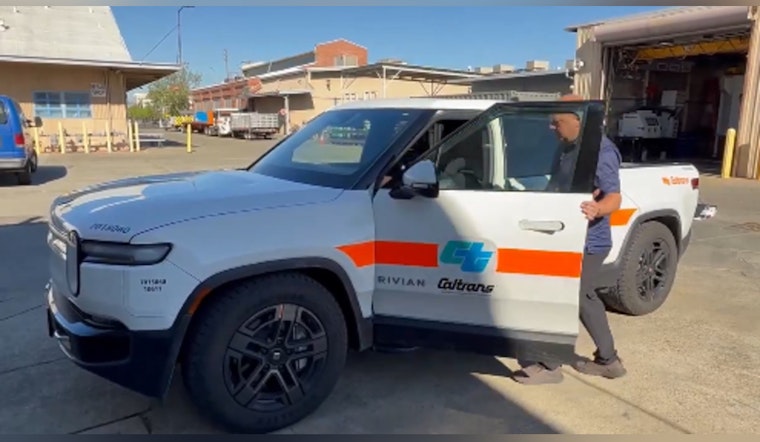
Caltrans is about to roll a lot more quietly onto California roads. On April 21, 2026, the agency announced it is electrifying and upgrading its state fleet to include 1,656 electric vehicles, folding the move into California’s broader push to cut transportation emissions while refreshing the vans, pickups and utility units that keep highways and maintenance yards running.
Caltrans' announcement
In a post on X, Caltrans HQ said the department is "electrifying and upgrading its fleet to include 1,656 EV vehicles" and shared a virtual "ride along" video that highlights field crews and vehicles in action. The post, published from Sacramento, presented the purchase as a statewide upgrade meant to support work across Caltrans districts.
In other words, this is not a small pilot tucked away in one corner of the state. Caltrans is signaling that battery electric trucks and service vehicles are headed for everyday duty on highways and in maintenance yards, not just special demonstration projects.
State funding and priorities
The fleet shift lands amid a wave of state spending on cleaner transportation. According to the Governor's Office, the California Transportation Commission recently signed off on nearly $900 million in transportation projects and carved out $33 million for a major public EV charging facility in Sacramento.
That funding sits inside a much larger roughly $30.9 billion transportation package for 2025–26, as detailed by the Legislative Analyst's Office. Put together, the numbers show the state trying to line up vehicles, chargers and long-term infrastructure so agencies like Caltrans are not stuck with plugs but no trucks, or vice versa.
Where the numbers stand
Caltrans manages one of California's biggest fleets, with more than 12,000 vehicles under its umbrella. Its 2025 Zero-Emission Vehicles and Infrastructure report notes that 1,284 zero-emission vehicles were in service as of July 1, 2025, including 1,250 battery electric vehicles and 34 hydrogen vehicles, and that the department bought 477 battery electric vehicles in fiscal year 2024–25.
The same report states that "Caltrans has made significant progress in transitioning to ZEVs" while also calling out higher upfront purchase prices and the need to expand charging at more than 450 maintenance stations statewide. For those who like the fine print, see Caltrans' 2025 ZEV report for details.
Costs, rules and charging challenges
The clock is ticking on state fleet managers. The California Air Resources Board's Advanced Clean Fleets rule requires many state and local government fleets to make 50 percent of vehicle purchases zero-emission beginning in 2024 and 100 percent by 2027. That schedule is one big reason agencies are under pressure to lock in not just vehicles but also chargers and facility upgrades.
Those regulatory deadlines, together with higher sticker prices for many battery electric models compared with internal combustion versions, help explain why vehicle buys are being bundled with new spending on charging sites and electrical work. The Caltrans post signals a move away from small-scale pilots and toward broader purchasing, but the hard part will be lining up deliveries, upfitting vehicles for field work, and installing enough chargers at district maintenance yards to keep everything powered.
As state procurement timelines, grant awards and district rollout plans firm up, the picture should get clearer on when all 1,656 vehicles actually hit the road across California.


