

























































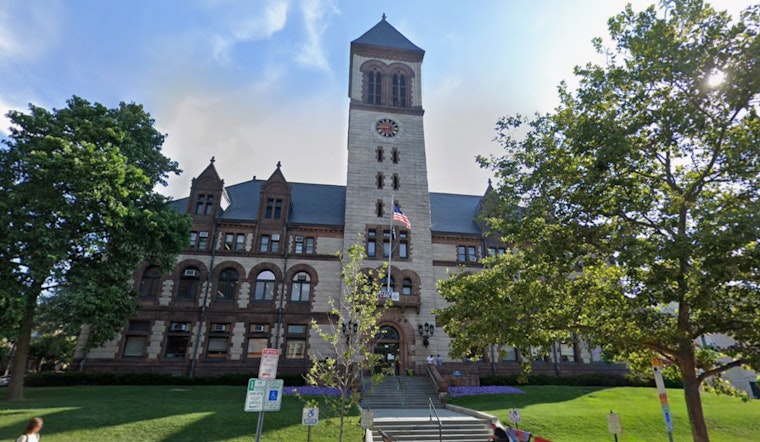
For a year and a half, a no-strings-attached cash experiment in Cambridge gave struggling families a bit of room to breathe. Parents reported less stress and used the money to keep food on the table, the lights on, and emergencies from turning into full-blown disasters. Then the monthly payments stopped, and much of that relief faded almost as quickly as it arrived.
The Rise Up Cambridge pilot, funded with one-time federal pandemic aid, delivered $500 a month to eligible families for 18 months and was tracked by an independent research team. With the American Rescue Plan Act (ARPA) dollars now spent, city officials are staring down the uncomfortable question of whether Cambridge will find a way to keep any version of the program alive.
According to City of Cambridge, Rise Up Cambridge ran from June 2023 through February 2025 and offered $500 per month for 18 months to households with children earning up to 250% of the federal poverty level, ultimately enrolling about 1,927 families. The city describes the $22 million effort as the first non-lottery, citywide cash assistance program of its kind, and notes that it included benefit waivers so participants could keep supports like SNAP and TANF without being penalized.
What MDRC Found
An independent mixed-methods evaluation by MDRC concluded that the unrestricted cash "provided meaningful financial relief" and helped families cushion financial shocks. In its Wave 2 survey, 93% of respondents said they used the payments for food or groceries, 75% tapped the money for emergency expenses, and 96% reported feeling less stress or anxiety while the payments were coming in.
MDRC also notes that many of these gains faded within months after the payments ended, a reality check that points to the limits of cash on its own. The researchers suggest that significant and lasting mobility is unlikely without pairing direct cash with supports tied to housing, child care, and workforce stability.
Voices From City Hall And The Foundation
Geeta Pradhan, president of the Cambridge Community Foundation, said the funds had a "reverberating impact" and that "nearly 2,000 Cambridge families were able to catch their breath" while the program was active. Community leaders and MDRC researchers shared stories from participants through interviews and focus groups that ran alongside the data analysis.
Those qualitative accounts highlight how families used the flexible payments to stop short-term crises and, in some cases, cut back work hours to care for children or pursue training. The dollars did not magically erase hardship, but they often kept it from snowballing.
What Comes Next
At an April 8 Human Services and Veterans Committee hearing, city staff told councilors the ARPA pot is empty and that the hard question now is whether Cambridge can piece together new revenue or philanthropic backing to extend any form of direct support. The city’s statement says the report offers officials "a strong foundation for future policy discussions" while acknowledging that a one-time cash infusion does not solve entrenched poverty.
Council members have indicated interest in a more layered approach, one that would link any continued or future cash payments with housing, child-care, and workforce strategies if the city chooses to preserve elements of the pilot.
MDRC and local funders sketch out a pragmatic roadmap: keep what clearly worked, such as simple enrollment, protections for existing benefits, and strong outreach, while designing programs that combine temporary cash with services that target housing instability and access to child care. The full MDRC report and the City of Cambridge summary are now online for policymakers weighing whether this short-term experiment should evolve into a longer-term commitment.





