

























































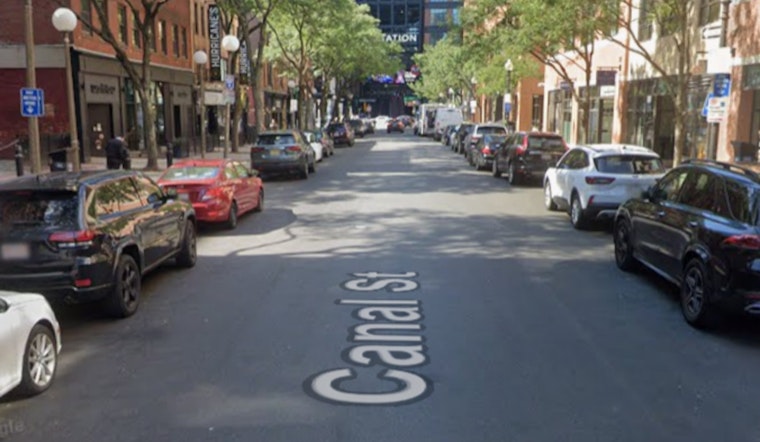
What started as a modest consignment shop in Cambridge has morphed into a full-on citywide habit. Pop-up vintage markets are now taking over rooms and streets that used to mean red carpets and concert lines. Found Boston is packing daytime flea events and evening-themed markets into big spaces like SoWa Power Station and Canal Street outside TD Garden, turning thrifting into a social outing with long lines and shoulder-to-shoulder crowds. The draw is a simple but effective mix of curated vendors, themed promos and basic comforts like food, drinks and decent restrooms that make a day of digging feel a lot like a night on the town.
From a flea stall to full-scale pop-ups
As reported by The Boston Globe, Found launched in 2023 when Rob Singh and Megan Fehling‑Singh realized their early Fenway Flea events were drawing hours-long lines and underscoring demand for bigger, better organized vintage markets. The Globe notes how the pair scaled up fast, rolling out themed events like “Found After Dark” and “$20 Fill a Bag” to keep regulars returning. Their move from casual weekend stalls to major venues has helped change how Boston shoppers think about secondhand finds.
Brick-and-mortar and partnerships
Found’s growth is not limited to blowout pop-up weekends. The team also added semi-permanent storefronts and built collaborations with local partners to keep the brand anchored across the city, according to Cambridge Day. By shuttling inventory between shops and markets, Found gives vendors more ways to sell and puts emerging local sellers alongside visiting vendors from New England and the Midwest. That setup means steadier foot traffic and a clearer path for small operators to get in front of new customers.
SoWa and other big rooms
Listings and event pages show just how large the footprint has become. Thebostoncalendar.com highlighted a “FOUND Mega Market” at the SoWa Power Station on March 29, with more than 100 vendors on the roster, a snapshot of how these markets are now filling spaces that once hosted strictly formal events. Big rooms let organizers map out crowd flow, add amenities and create layouts that the average outdoor flea can only dream about, which keeps both vendors and shoppers on site longer.
Vendors say it changes the math
Vendors told The Boston Globe that setting up shop with Found has lifted sales and sparked follow-up invitations to other pop-ups and even corporate gigs. One seller said previous markets “didn’t do as well as when I was with Found,” and organizers point to the mixed-age crowds and revolving themes as reasons consignors and small businesses keep signing on. For many, these markets double as both a serious revenue stream and a marketing engine that pulls in customers from across the region.
What the wider market looks like
The boom in large, curated vintage markets is not happening in a vacuum. Boston.com notes market research showing that secondhand apparel is growing quickly, with U.S. resale estimates in the tens of billions and rising. That backdrop helps explain how promoters can book cavernous venues and still fill them. Organizers say the blend of sustainability, relative affordability and the old-fashioned “thrill of the hunt” keeps attendance solid even as vintage markets move into nontraditional spaces.
Why venues and the city are on board
The City of Boston has joined in, partnering with Found on pre-concert pop-ups along Canal Street and listing a run of markets timed to TD Garden shows. The City of Boston has framed these events as a showcase for local vendors and a way to activate public space before fans head into the arena. For the venues, the markets add daytime traffic and pre-show buzz that bring a different crowd through the doors without overhauling the main event.
Whether you file it under retail or nightlife, large-scale vintage markets have carved out a regular spot on Boston’s event calendar, promising steady business for sellers and a new kind of weekend plan for shoppers. Anyone hoping to score a find should keep an eye on event listings and organizers’ feeds for the next pop-up date.




