

























































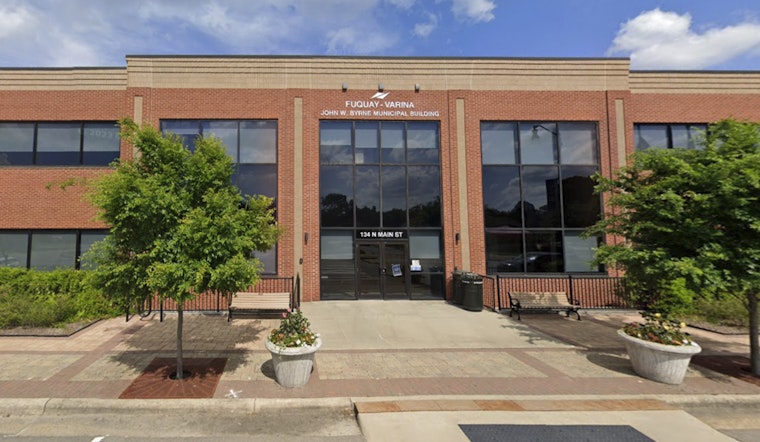
North Carolina regulators are staring down a brewing water fight as state lawmakers and a bloc of downstream utilities press officials to reject Fuquay-Varina’s plan to pull more than six million gallons a day from the Cape Fear River and send the used water somewhere else.
The town is asking for permission to withdraw up to 6.17 million gallons per day from the Cape Fear River, then discharge treated wastewater into the Neuse River basin instead of putting it back where it came from. The North Carolina Environmental Management Commission, or EMC, is expected to take up the request at its May meeting.
What Fuquay-Varina Is Asking For
Fuquay-Varina has applied for an interbasin transfer certificate that would allow the town to source up to 6.17 million gallons per day from the Cape Fear River Basin, largely through the Sanford water treatment plant, and send the used water to the Neuse Basin. Under state rules, any permanent transfer of that size needs EMC approval, along with an environmental review process, according to the N.C. Department of Environmental Quality.
Lawmakers Warn Of Downstream Impacts
A bipartisan group of state senators sent a letter dated March 31 urging the EMC to deny Fuquay-Varina’s request. The lawmakers warned that permanently removing that volume of water from the Cape Fear system could strain drinking water supplies, increase treatment costs and “establish a precedent” for other communities to follow, according to the USA TODAY Network / Wilmington StarNews.
Signatories identified in local reporting include Sens. Michael Lee, Bill Rabon and Brent Jackson, who represent downstream counties and argue that the Cape Fear is a primary source of drinking water for hundreds of thousands of residents, as reported by the USA TODAY Network / Wilmington StarNews.
Downstream Utilities Mobilize
The Cape Fear Public Utility Authority has rolled out a public video and filed formal comments in opposition, arguing that the proposed transfer would permanently subtract 6.17 million gallons per day from flows available to the Lower Cape Fear and could threaten local drinking water supplies, according to CFPUA.
CFPUA and other utilities told regulators they gathered and delivered thousands of public comments. CFPUA alone reported submitting nearly 1,900 comments on the proposal, WECT reported. The Fayetteville Public Works Commission and several counties have also adopted resolutions opposing the transfer.
Costs And Alternatives
Fuquay-Varina maintains that the proposed transfer is the most economical way to meet the town’s long-term water demand. The town’s draft environmental impact statement and a detailed cost appendix note that alternatives which would return treated water to the Cape Fear, instead of routing effluent to the Neuse, could cost hundreds of millions of dollars more, including roughly 200 million dollars in at least one comparison.
The state cost appendix provides conceptual construction and project cost estimates for several scenarios, and downstream leaders have rallied around a “borrow-and-return” compromise that would keep water in the Cape Fear system, according to DEQ's cost appendix and reporting by Port City Daily.
Where The Decision Stands
State staff are currently sorting through thousands of public comments along with technical documents and will prepare a report for the EMC’s Water Allocation Committee, which is expected to take up the matter in May, Coastal Review reported.
The full Environmental Management Commission will then decide whether the environmental document is adequate and whether an interbasin transfer certificate can be issued. Agency materials call for public hearings and specific findings before any final decision is made, as noted by WRAL.
Town Officials' Defense
Fuquay-Varina officials say existing wholesale water agreements with Raleigh, Harnett County and Johnston County will not cover the town’s projected growth. They also say they have worked with DEQ and revised their draft environmental impact statement multiple times, according to a town statement provided to ABC11/WTVD.
Town Manager Adam Mitchell told the station that Fuquay-Varina looks forward to additional stakeholder feedback as the review process continues.
Legal And Regulatory Context
Interbasin transfers in North Carolina are governed by state statute. The EMC can act only after it determines that the environmental document is complete and adequate and after it holds required public hearings and follows petition procedures laid out in state code.
The statutory framework for interbasin transfer review, along with the Commission’s duties, is set out in G.S. 143-215.22L of the North Carolina General Statutes.





